  ® ®
|
Magneto versus energy transfer |
|
It is typical for many powersports enthusiasts to mistake energy transfer ignition (ET) for magneto. In fact, few riders even know ET ignition by name despite it being well represented in the industry's products. More to the point, most misidentify ET as magneto, not aware of the significant differences between the two.
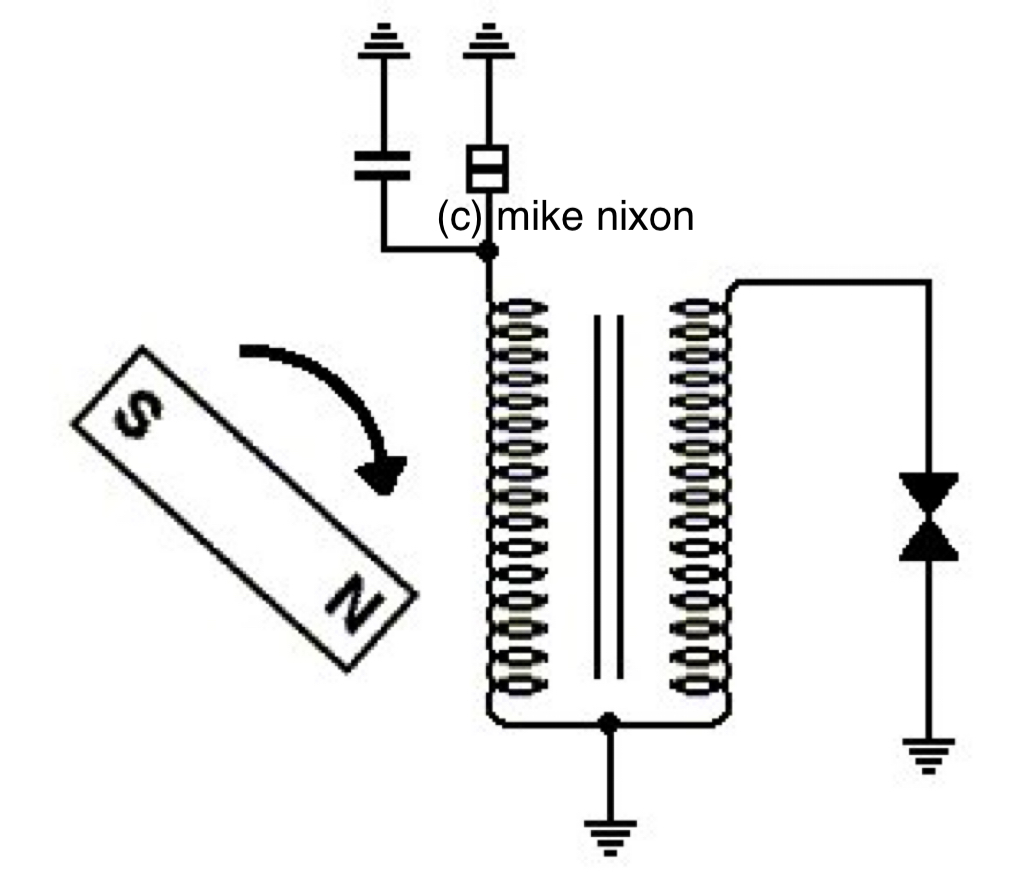
Magneto is AC-powered and collapsing field. It is extremely sensitive to points cleanliness and timing, and is found almost exclusively today on portable generators, lawn equipment, and chainsaws. It is easily identified by its having only two windings.
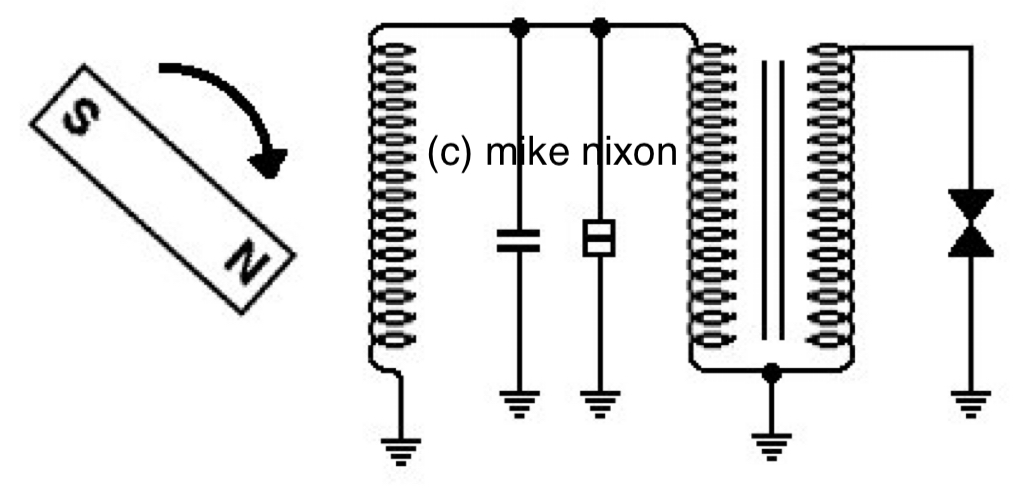
Energy transfer graced pushrod Triumph twins and many smaller Asian bikes, and today powers just about anything with wheels that is assumed to have magneto ignition--but doesn't. Also AC-powered and therefore sharing magneto’s sensitivity to timing and point cleanliness, ET unlike magneto is a rising field system that is much better performing in the presence of spark plug deposits. And ET has three windings.
|
|
|
|
This is magneto ignition. Note that until the points open the primary winding--which does double-duty as the source winding--simply circulates current in a circle, unemployed other than in creating a magnetic field. When the points open, this field collapses, mutually inducing the secondary winding. All magneto systems work like this. |
This is energy transfer. Note that until the points open this too simply circulates current in the source winding, which in this system is a separate winding, not part of the ignition coil, and though magnetism is present, it plays no role. When the points open, the source winding's energy transfers over to the ignition coil's primary winding, instantly building it up and thereby mutually inducing the ignition coil's secondary winding. This is the classic energy transfer rising field operation. |
|
Last updated March 2026 Email me www.motorcycleproject.com My bio © 1996-2026 Mike Nixon |