  ® ®
|
The load tester |
|
|
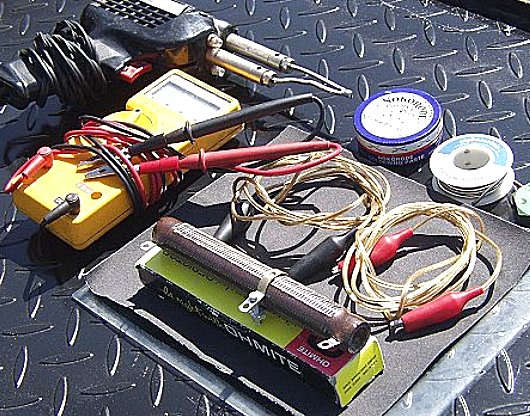
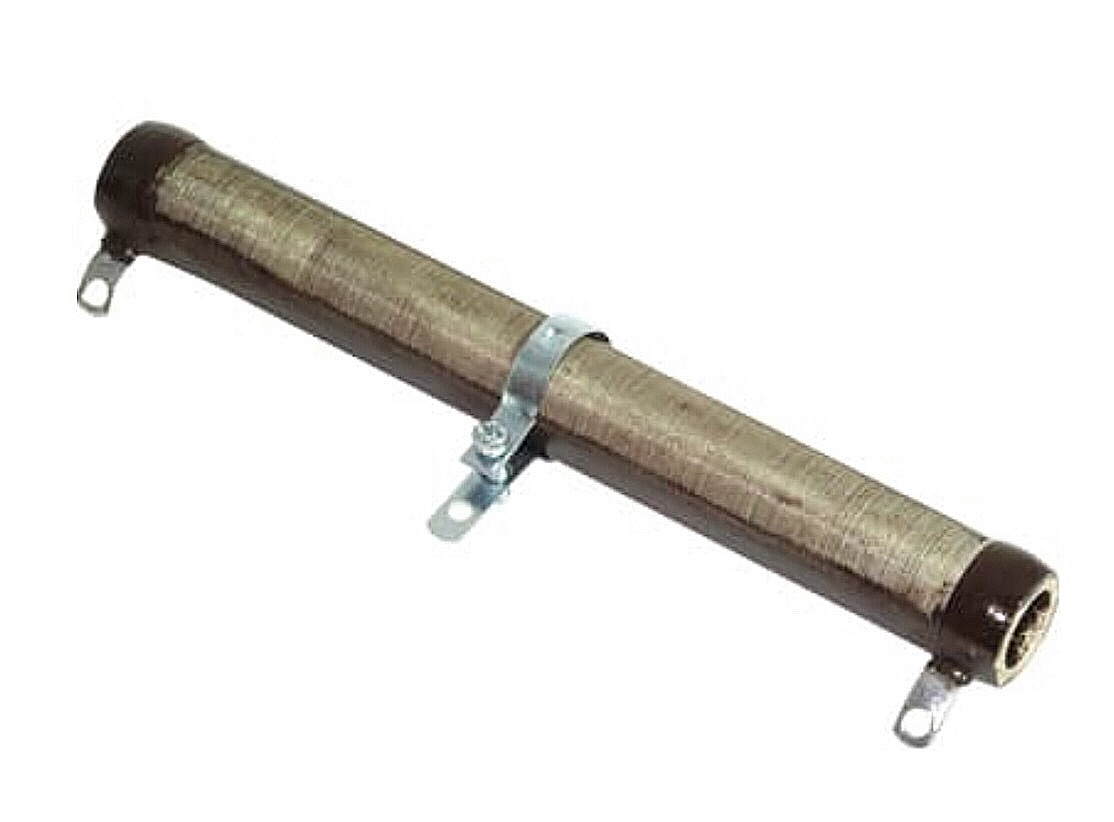
If you're like the average motorcycle rider, this will be news to you. But the professional way to test many of the components that make up your bike's electrical system is by using this tool in conjunction with your multimeter. It is that important and that useful. And that's because it is the only way to ensure your test results are conclusive. There are articles on my website that explain why, but the short of it is, charging system parts in particular will give different test results when tested without stressing them than they will when stressing them. It's just a fact. Batteries too. This is a wire-wound, 2 ohm, 100 watt test resistor. |
|
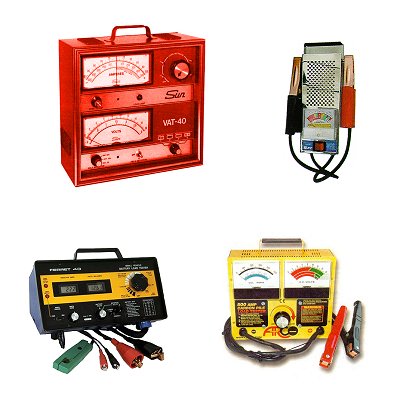
You may have seen some of these pieces of kit before. They are more commercial alternatives to the power resistor. But the resistor does the exact same job as these tools, with the exact same accuracy and conclusiveness, for a lot less money.
|
|
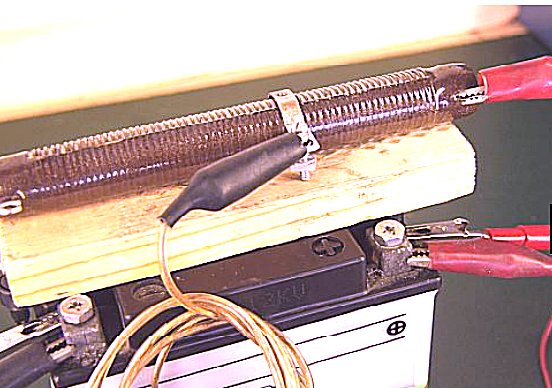
Here the tool is being used to load test a battery. Note that the center lug is being used, making the tool's resistance suitable for battery loading. Not shown is the multimeter which is tracking the battery's voltage drop, though the meter's leads are visible at the edges of the photo. (Note: the resistor is laying on a piece of wood because it gets hot!)
|
|
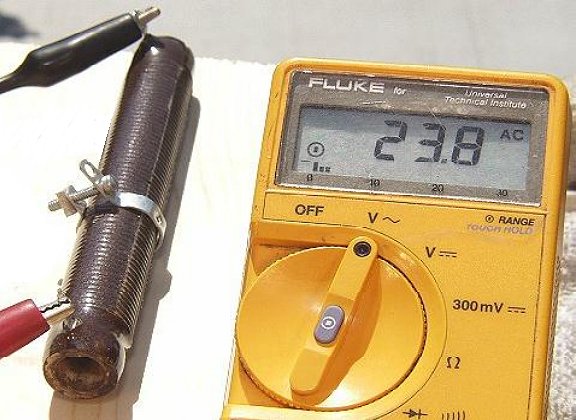
Here it is being used to load test an alternator stator. The center lug is not being used here. The multimeter is indicating loaded AC voltage at the alternator stator at 5,000 rpm. (Note: the resistor is laying on a piece of wood again.)
|
|
I used to tell my students, "Don't ever base a part purchase decision on a resistance test." Of all the tools used in electrical troubleshooting and repair, the load test resistor's utility in providing dynamic, real-world test results surpasses that of the multimeter itself. It's that vital.
|
|
Last updated January 2026 Email me www.motorcycleproject.com My bio © 1996-2026 Mike Nixon |