  ® ®
|
Bad stuff: Carburetors |
|
Here is a collection of pictures I hope are instructive. These are all in reference to carburetors, some bad stuff. Carburetors come in for more than their share of abuse. Take heed. |
|
|
|
|
|
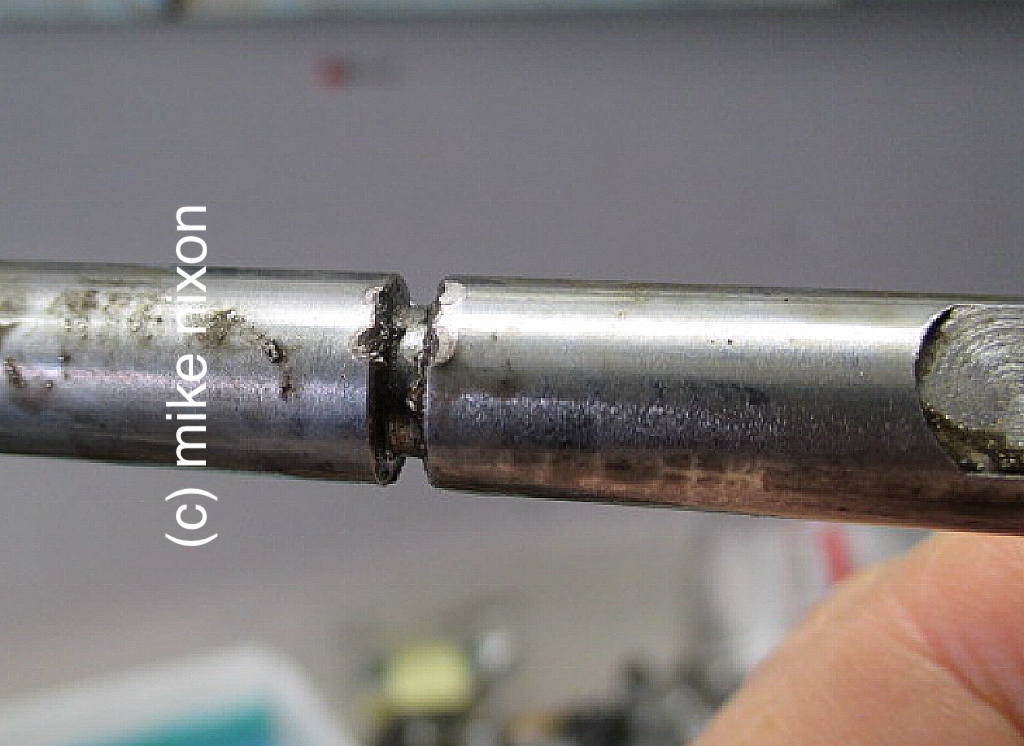
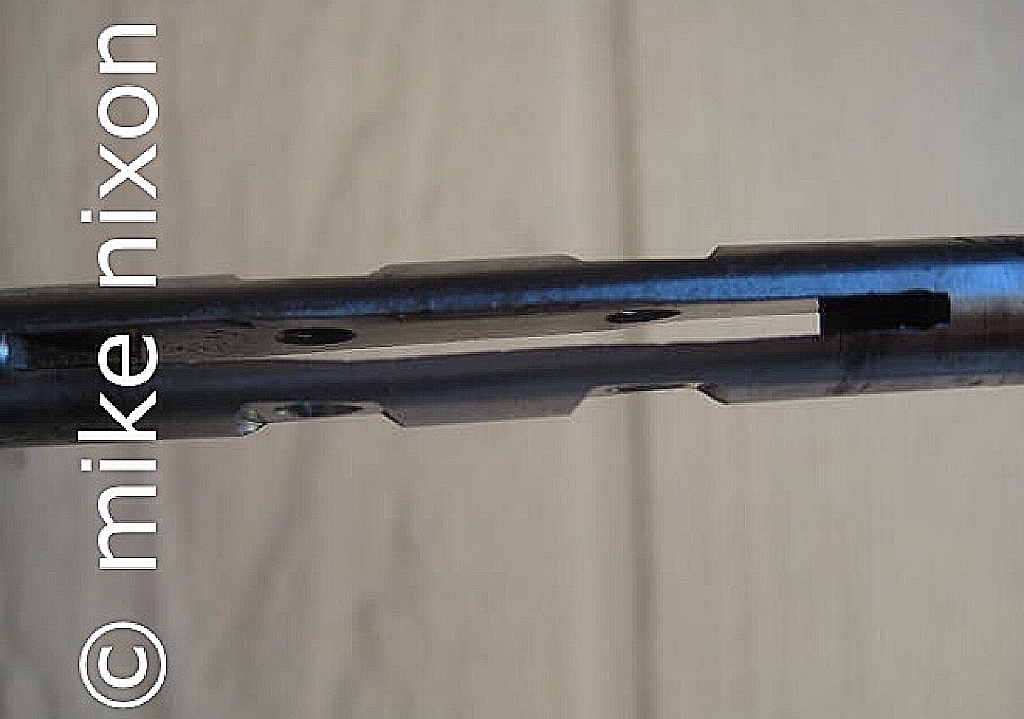
This is a classic! Folks unaware of how to remove the SOHC four throttle shaft pound on it and damage the shaft's locating groove.
|
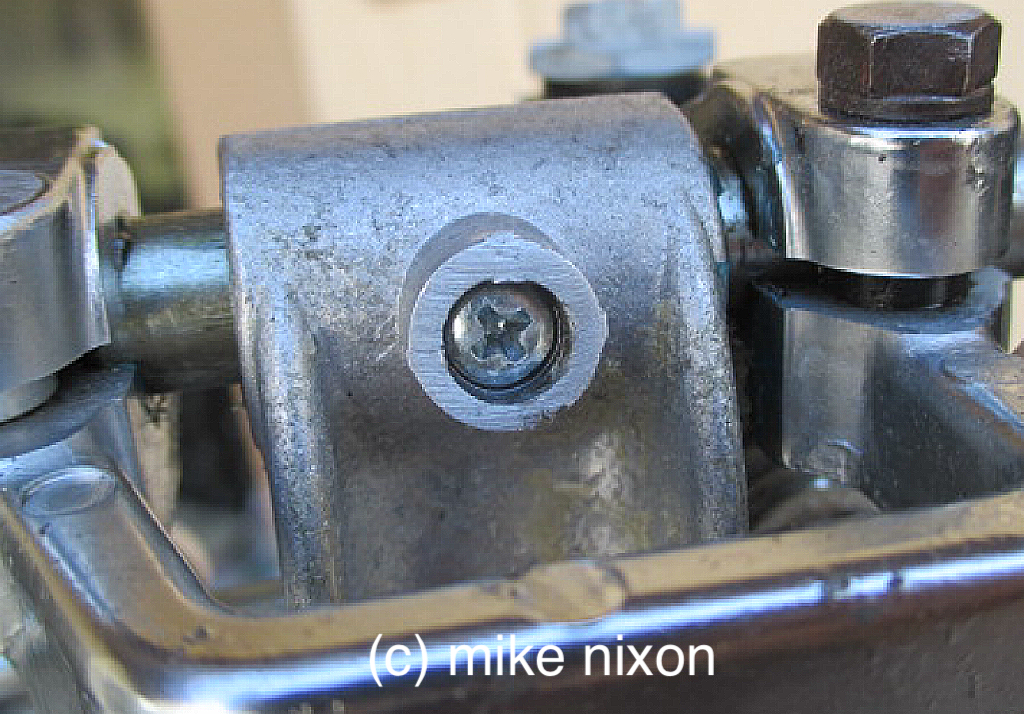
Here is where they should have started, by removing the pressed-in pin. The screw shown has taken the place of the locating pin. |
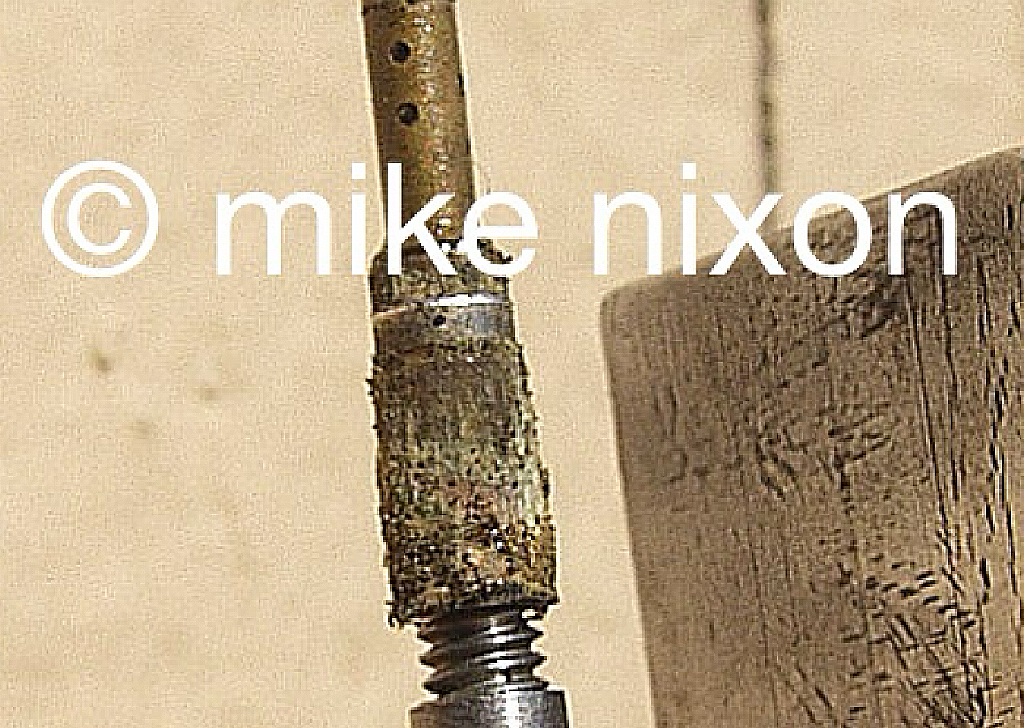
This idle jet from a VB series carburetor shows why it needs to be removed even though it requires unusual means. |
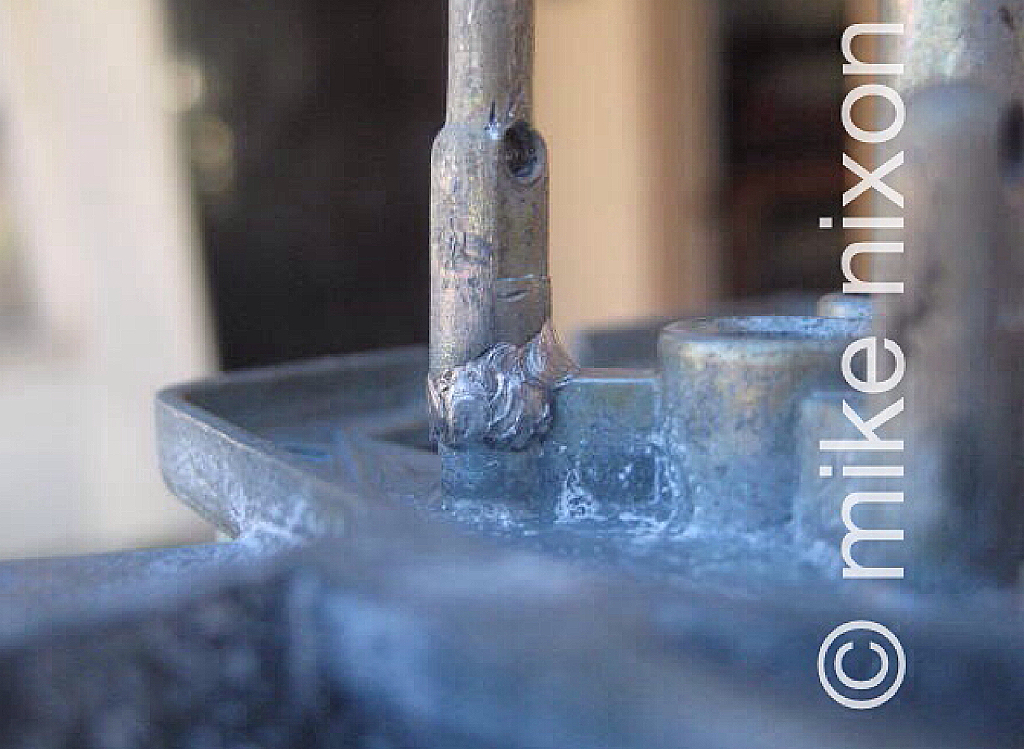
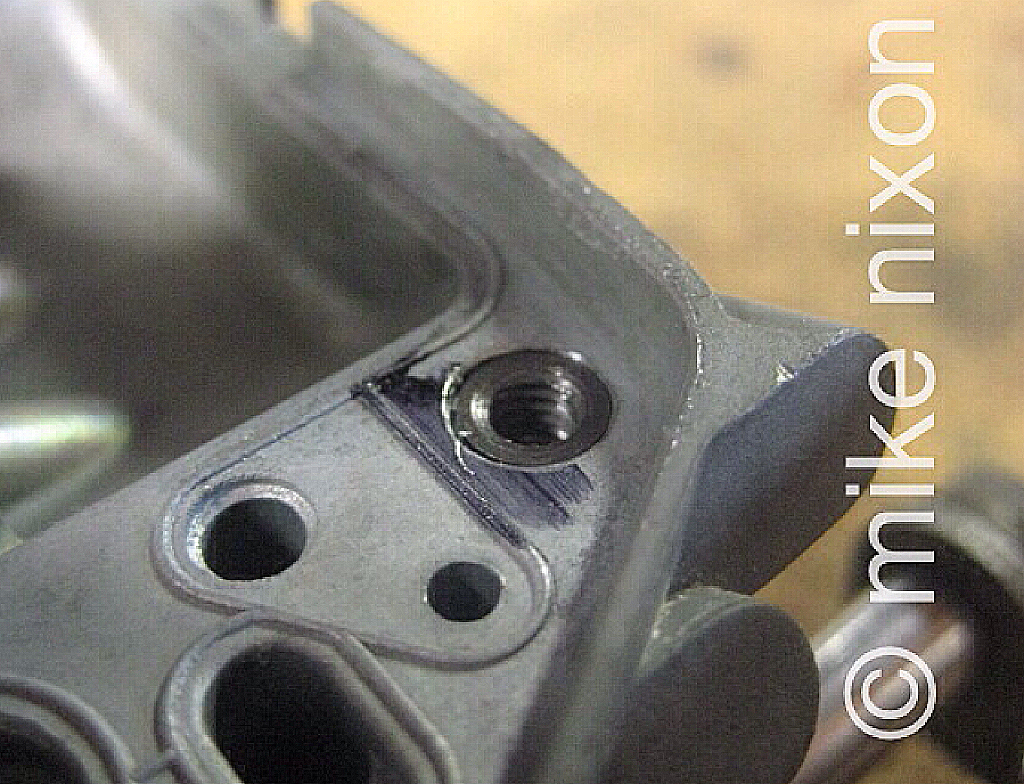
Welding of float pivot posts is a frequent need on vintage carburetors. It takes a specialist. This is not standard welding. |
|
|
|
|
|
Thread repair in the form of steel thread inserts is also a common part of carburetor rebuilding.
|
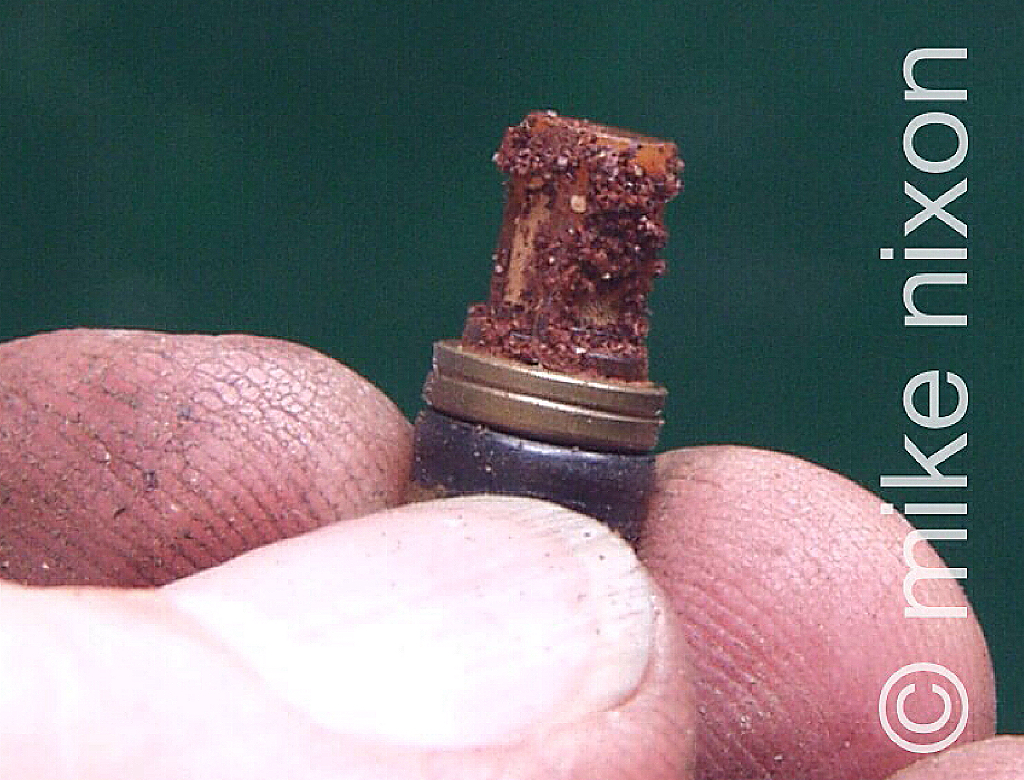
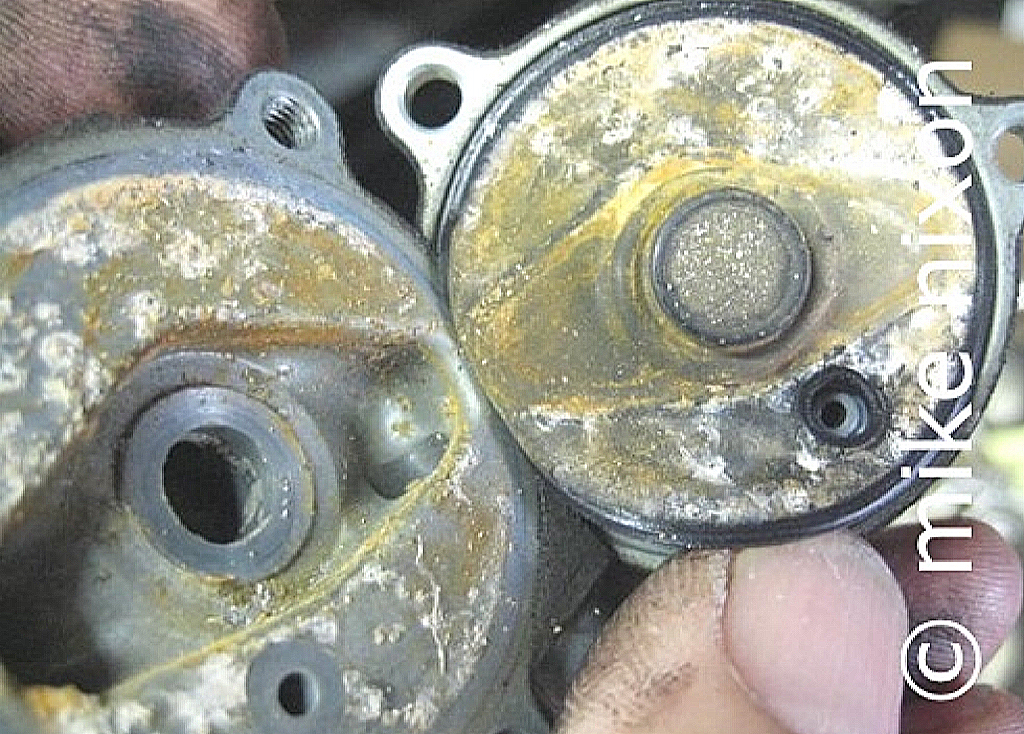
That's a lot of rust on that float valve screen. Some people advocate leaving these screens off. What do you think? |
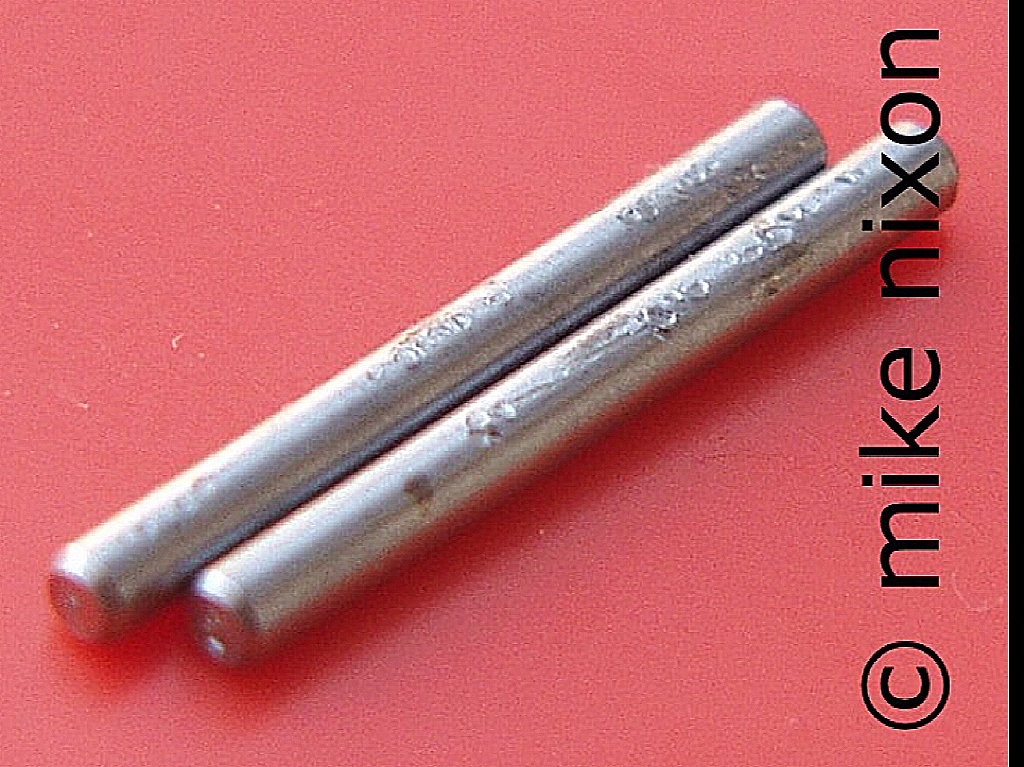
These float pivot pins have been mangled by the use of pliers. It's best to replace them because the divits will stress the pivot posts. |
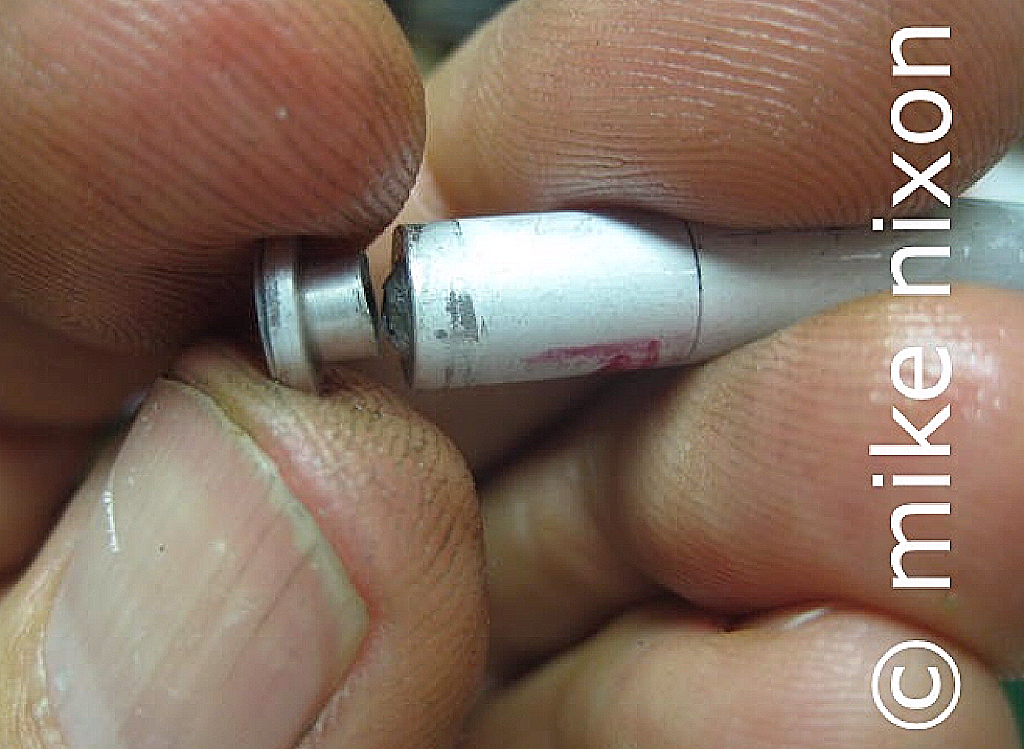
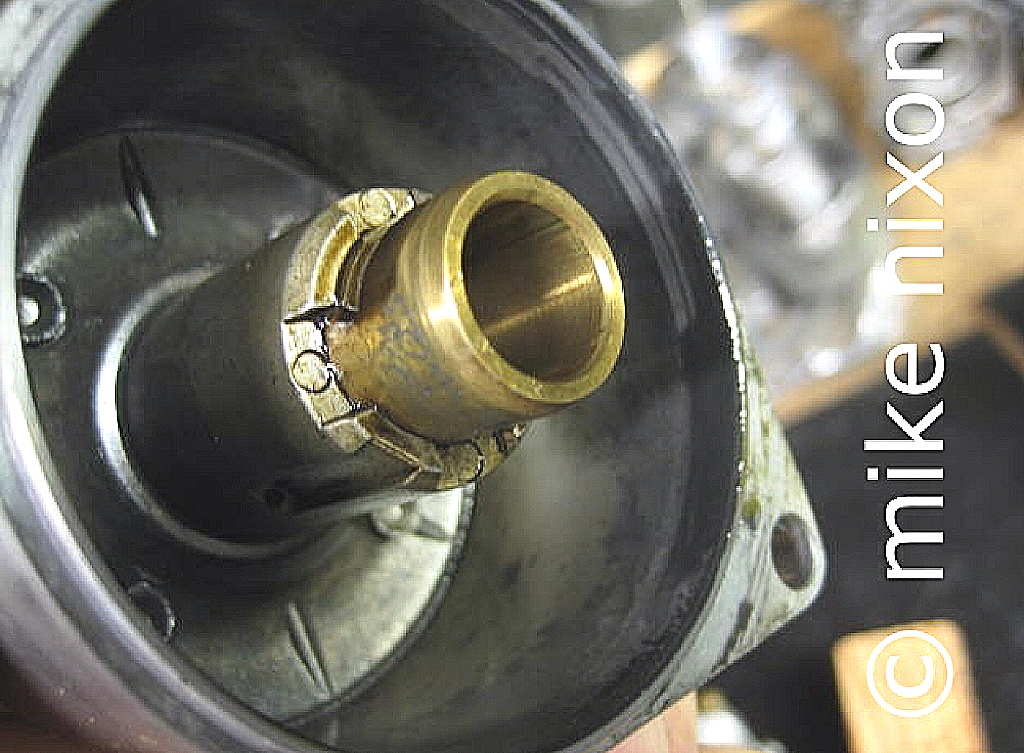
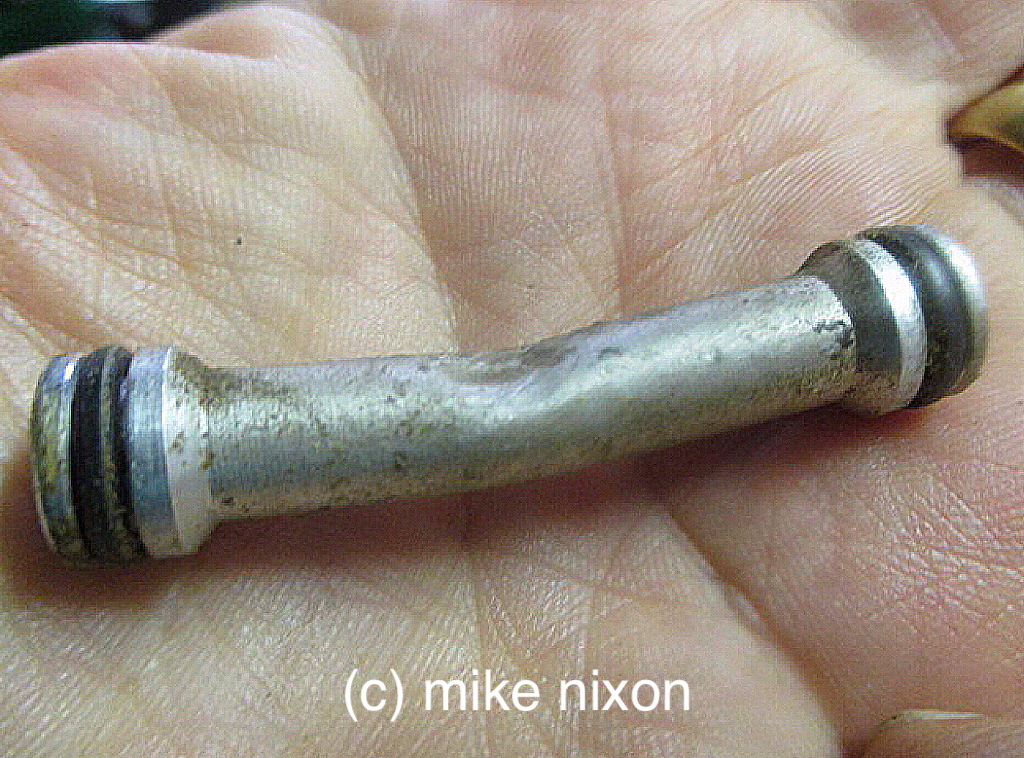
This accelerator pump passage tube has been broken through unprofessional carburetor disassembly technique. |
|
|
|
|
|
Air cutoff diaphragms are easily damaged when someone tries to clean carburetors without first removing the diaphragms.
|
This is a Gold Wing carburetor throttle shaft that has been twisted by an impatient user. |
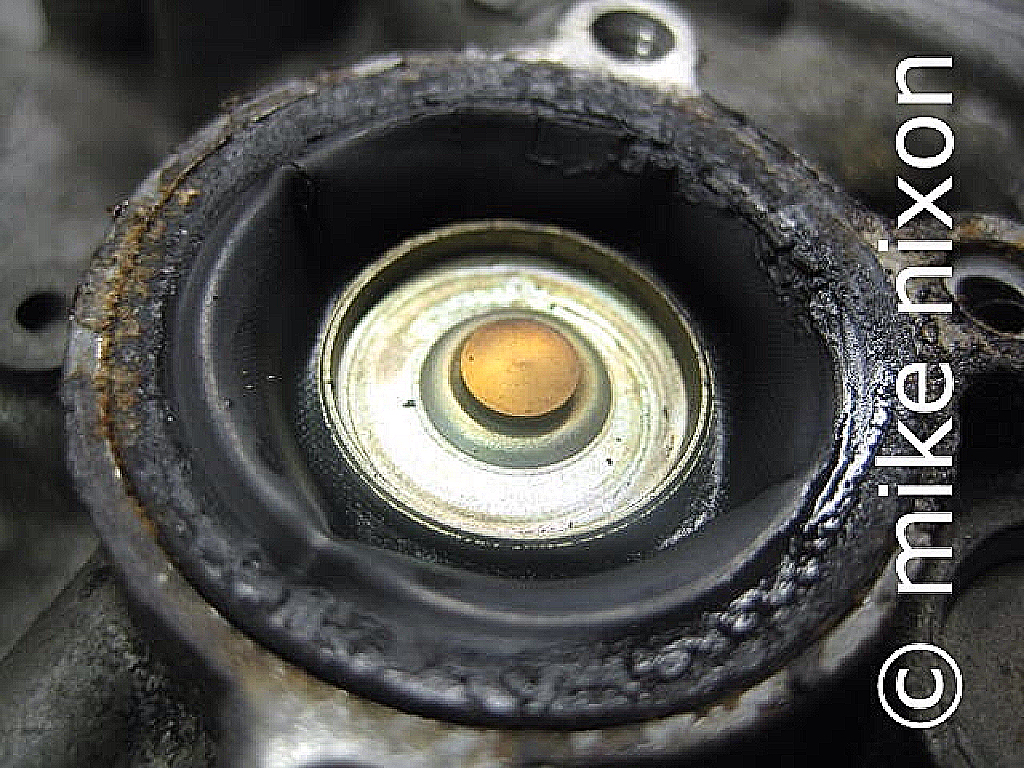
The vacuum fuel valve often found on Honda carburetors can fill up with muck. |
This VB series constant velocity carb shows evidence of deposits from the crankcase recirc system. See the black grime? |
|
|
|
|
|
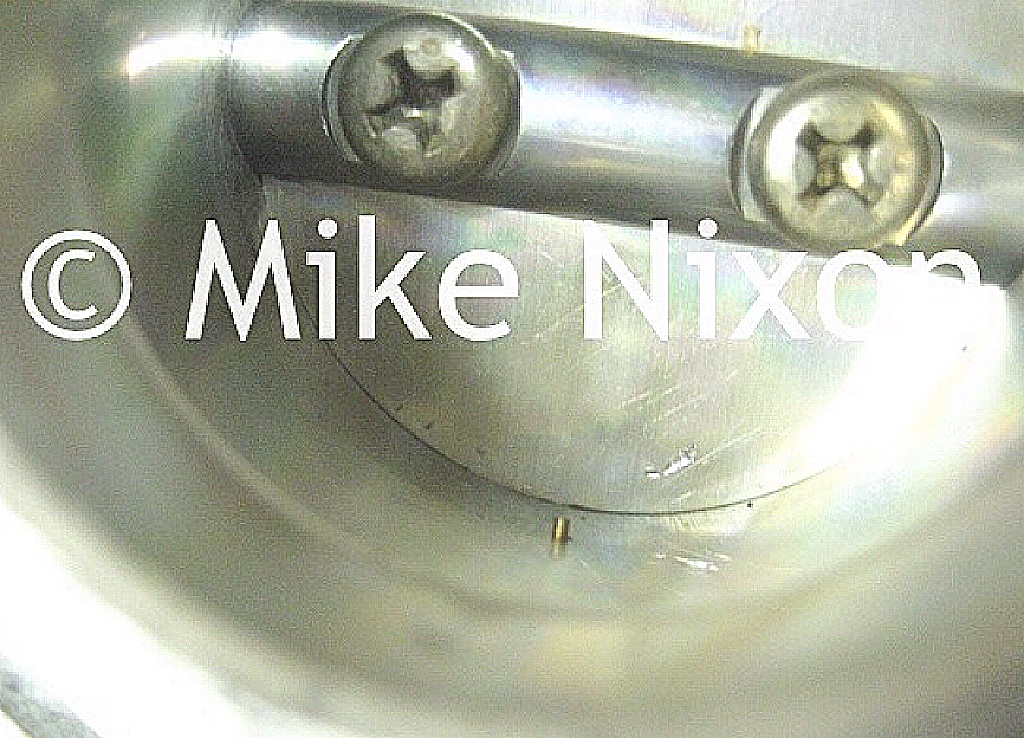
Yes, that is a pilot screw sticking up inside the carburetor bore. Hopefully the screw has not broken off inside.
|
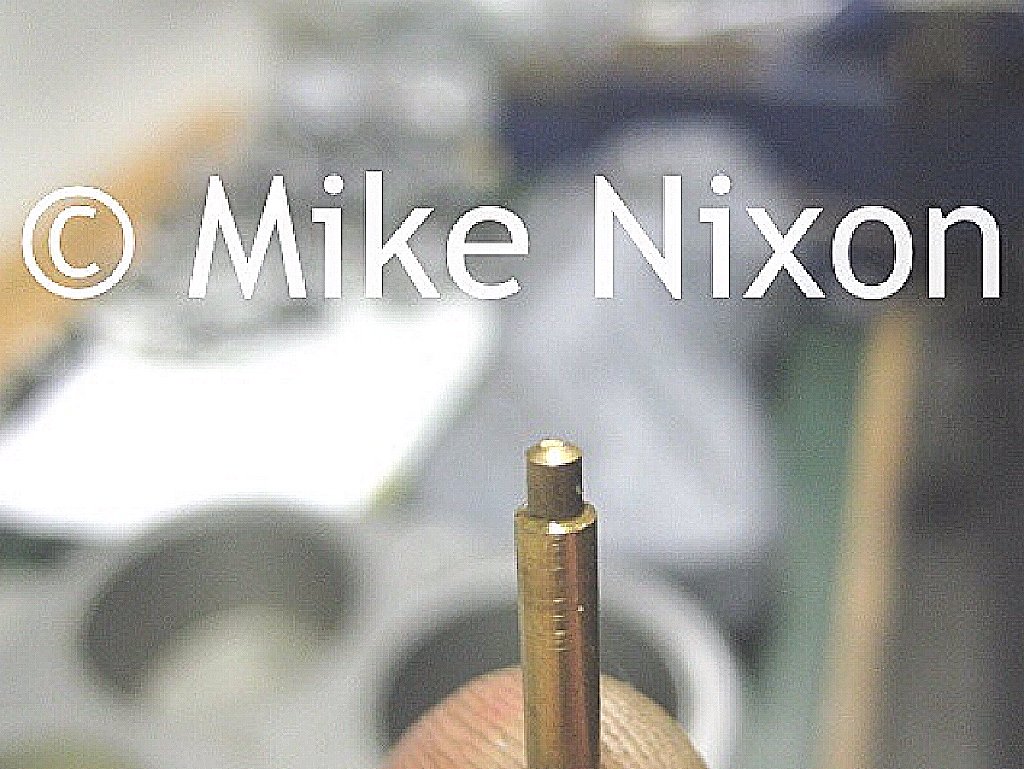
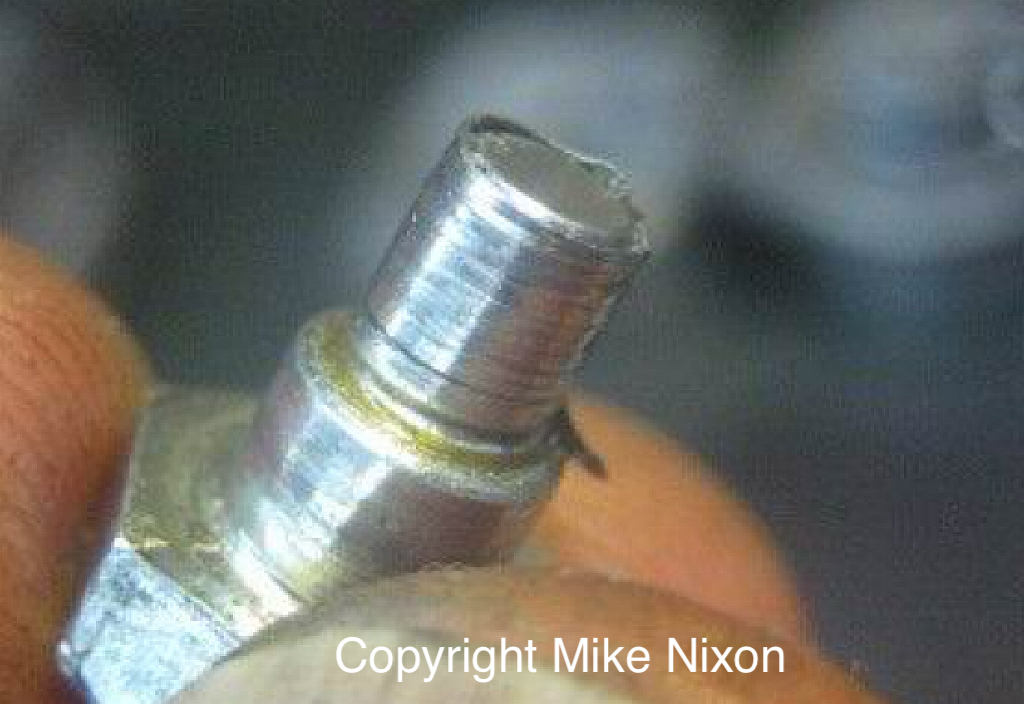
Too bad. Here is the screw missing its tip. The left behind tip is very difficult to get out. |
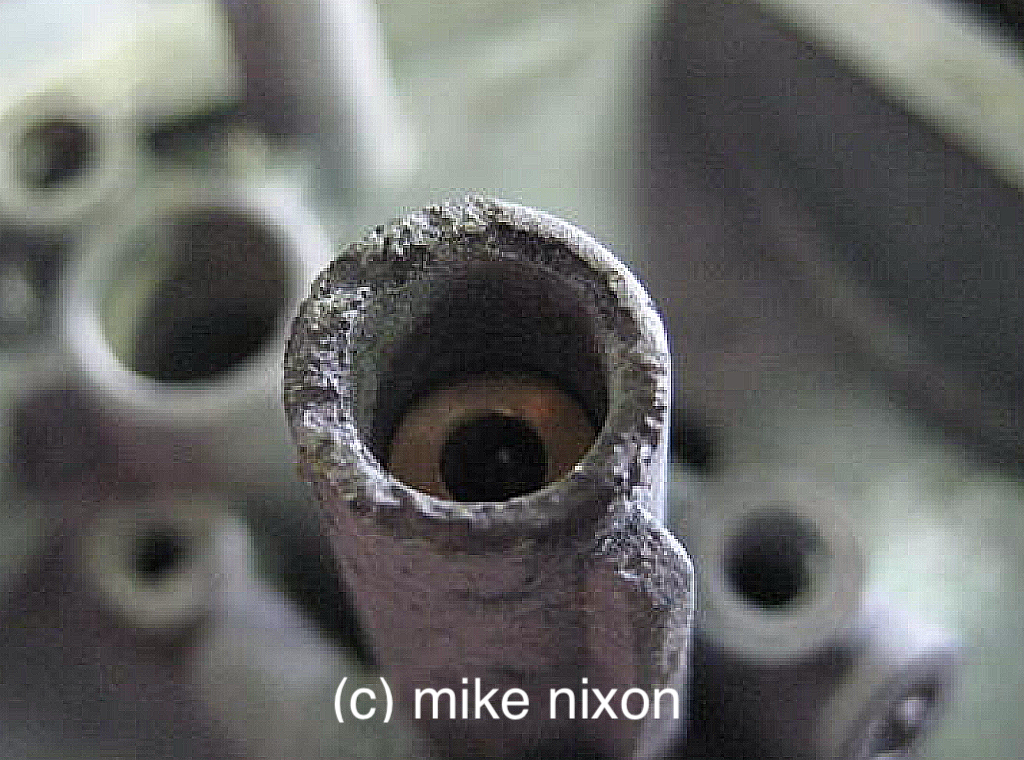
This is how most CB500/550 and CB350/400F carburetors look. This can be saved. |
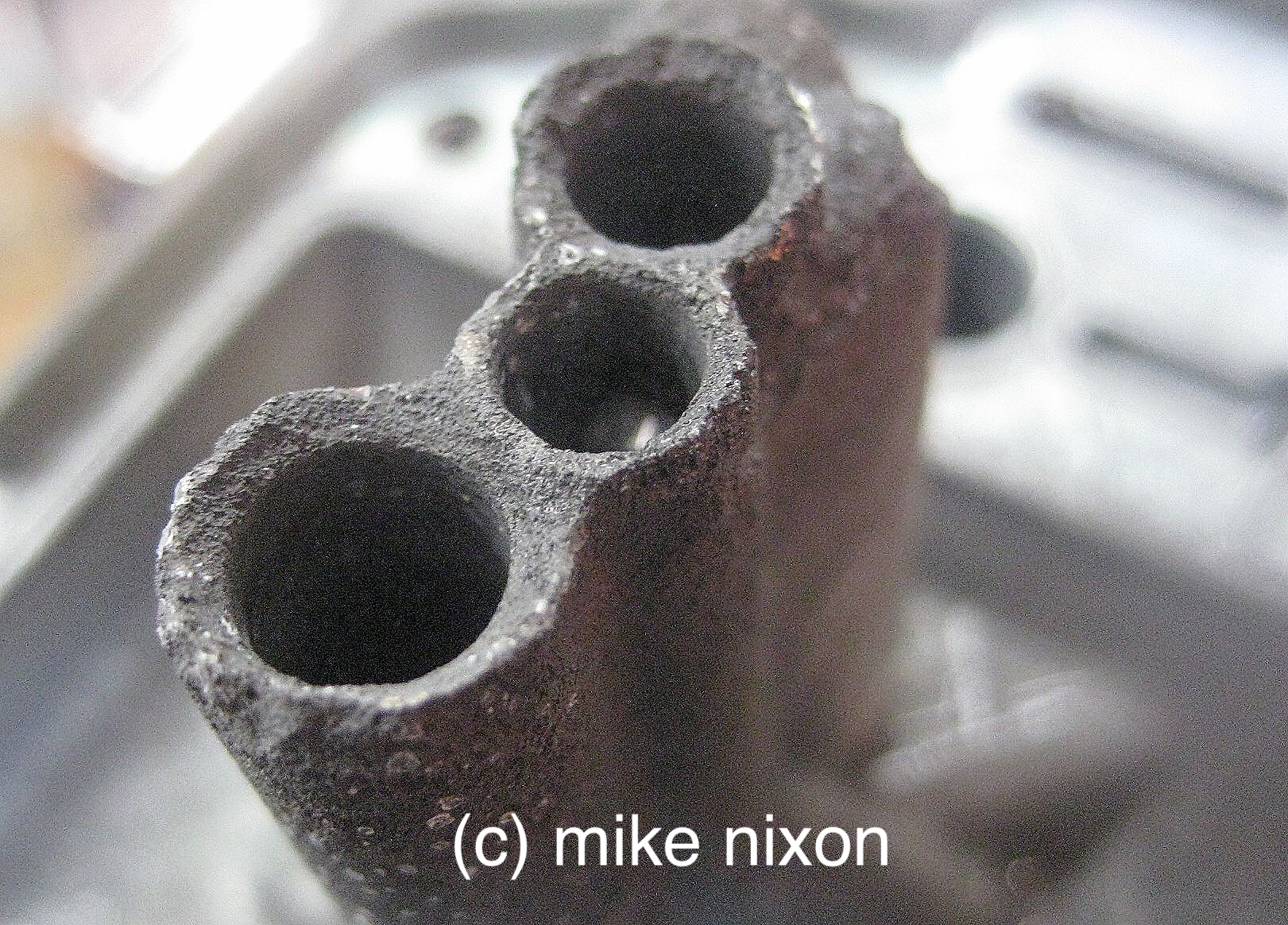
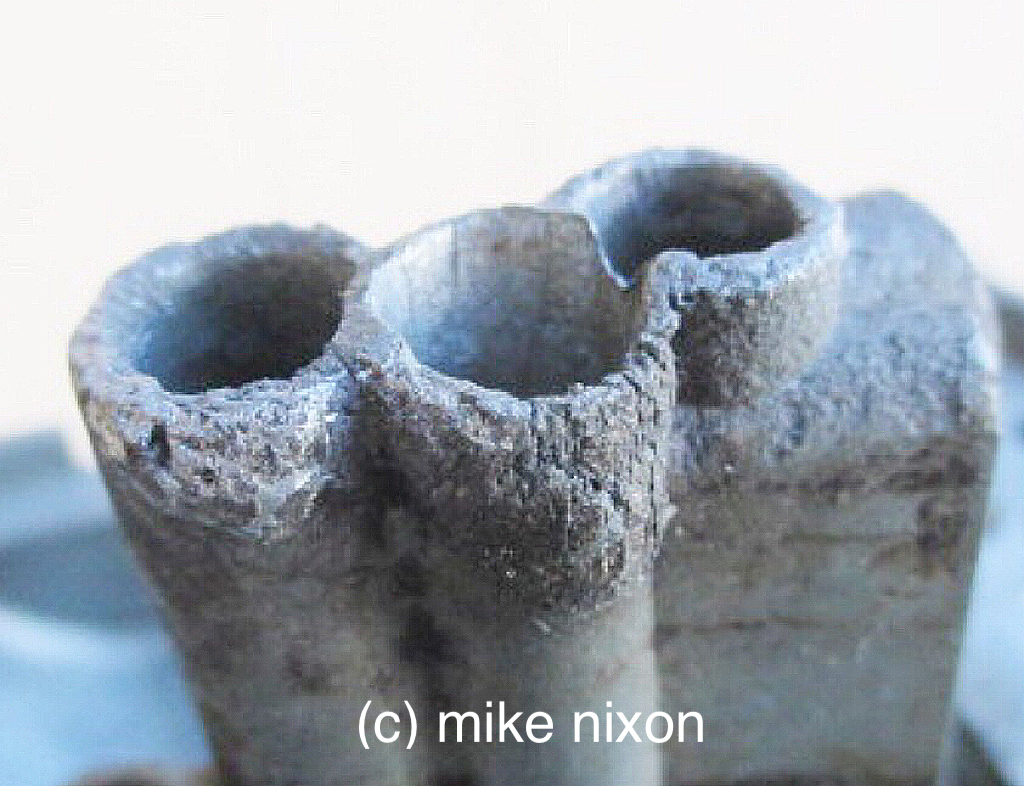
This is a GL1000 carburetor. It is too eroded to save. The carb body must be replaced. |
|
|
|

|
|
Someone used heat on this GL1000 carburetor, already ruining it. Then they tried drilling the idle jet tower. The carb is junk.
|
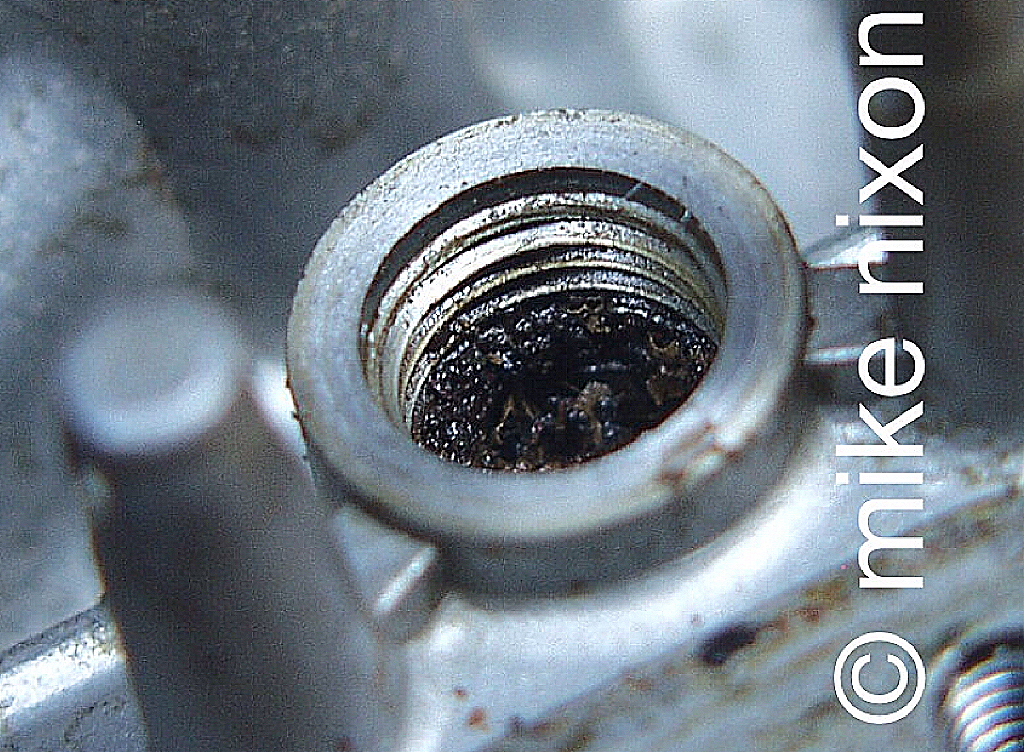
That's rust inside that fuel inlet cavity. Ultrasonic and hand work will get it out. |
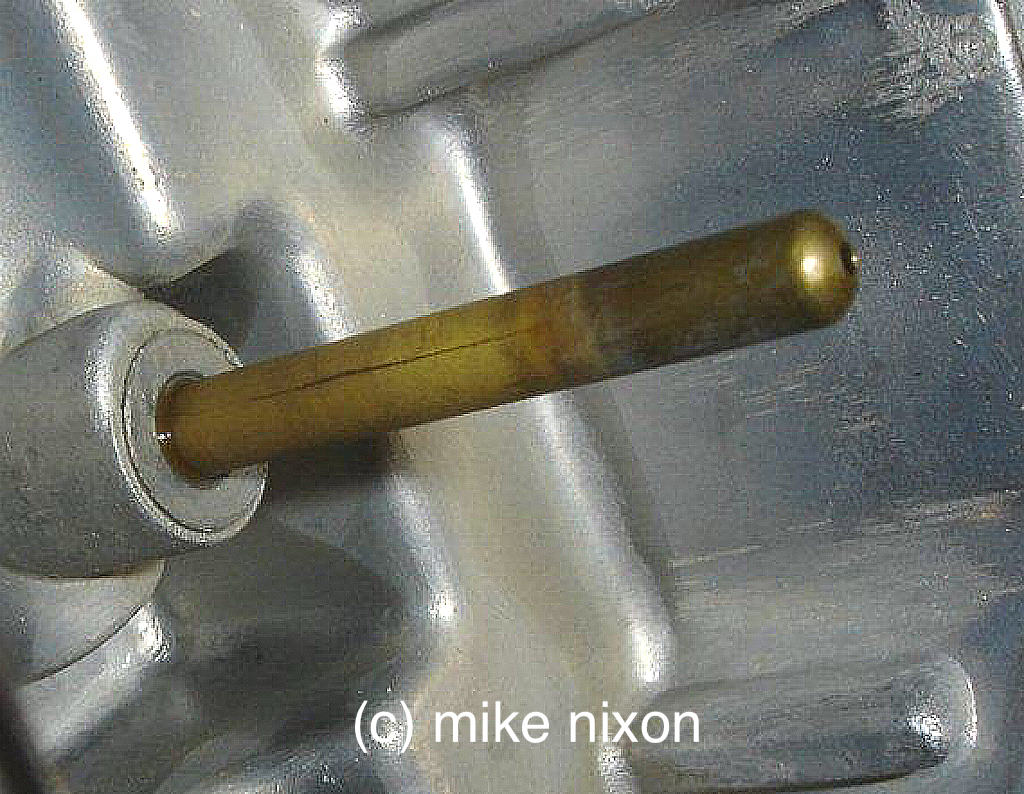
This cracked overflow standpipe is extremely common on Honda carburetors. There are two different methods for repairing this. |
If the crack is small enough it can simply be soldered closed. This works well 80 percent of the time. |
|
|
|
|
|
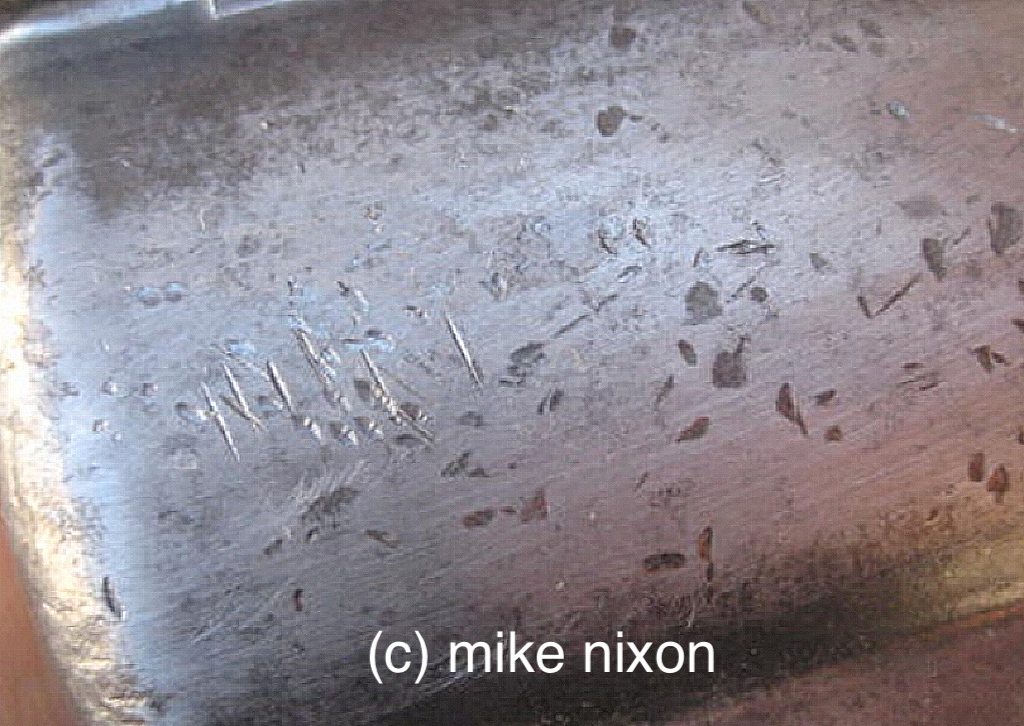
One or two judicious raps with the plastic end of a screwdriver can solve carb overflow. Repeated hammering with a hammer on the other hand is not very intelligent.
|
This is a very common thing on CBX carburetors. It results from prying the carbs in the wrong place. Expensive part. |
Very common on the CBX1000 carburetor. And it is a unique bolt, with only four of them on each CBX carburetor assembly. It happens when the carbs aren't reassembled in the correct order.
|
CBX again. This first-year-only float bowl overflow system was responsible for bent connecting rods. Get it off of there!
|
|
|
|
|
|
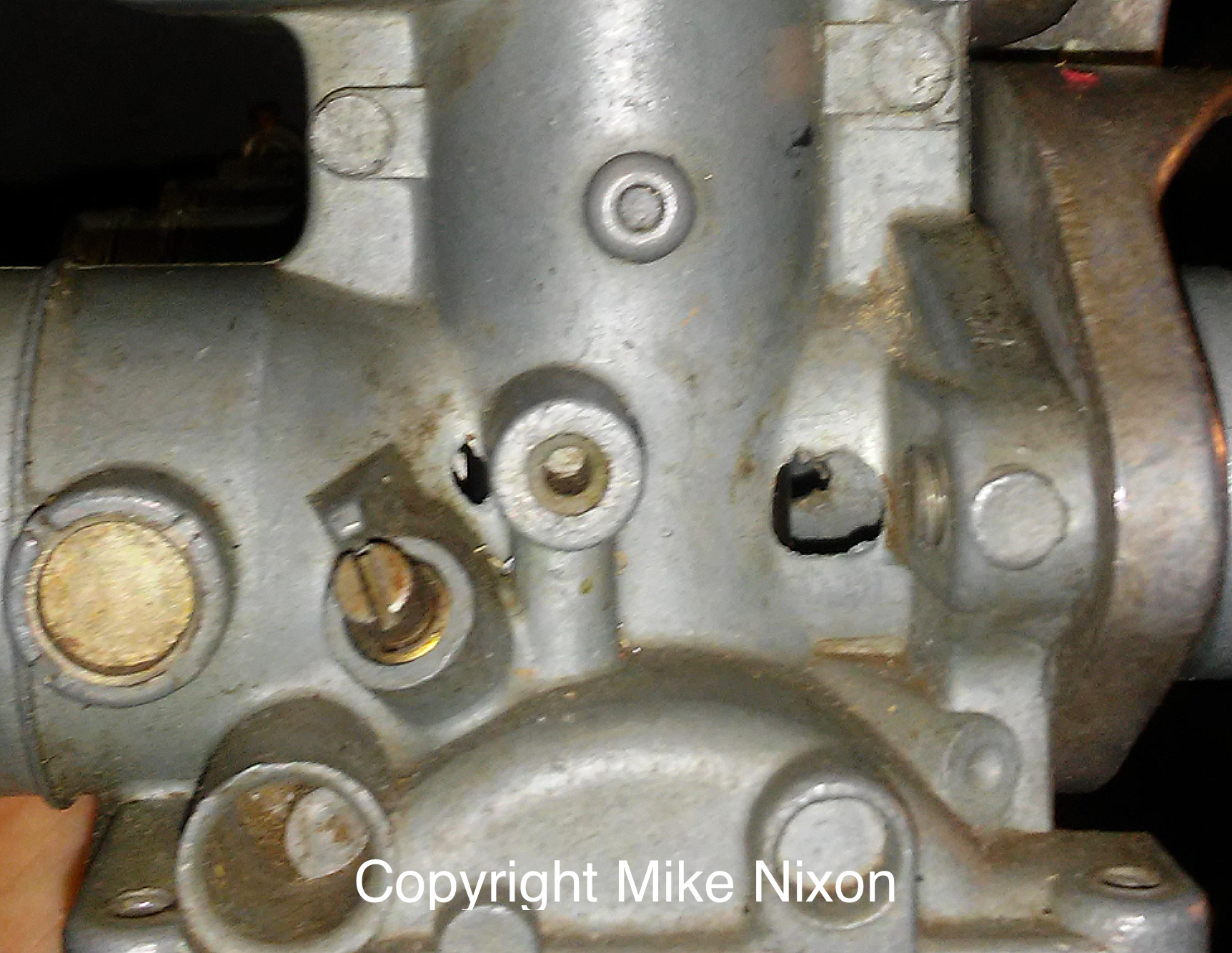
Can you believe that someone tried to bore a 70s SOHC carburetor? These carbs are oval or "keyhole" venturi. They can be bored, but not the traditional way. Note also the carb is dirty and wasn't even disassembled.
|
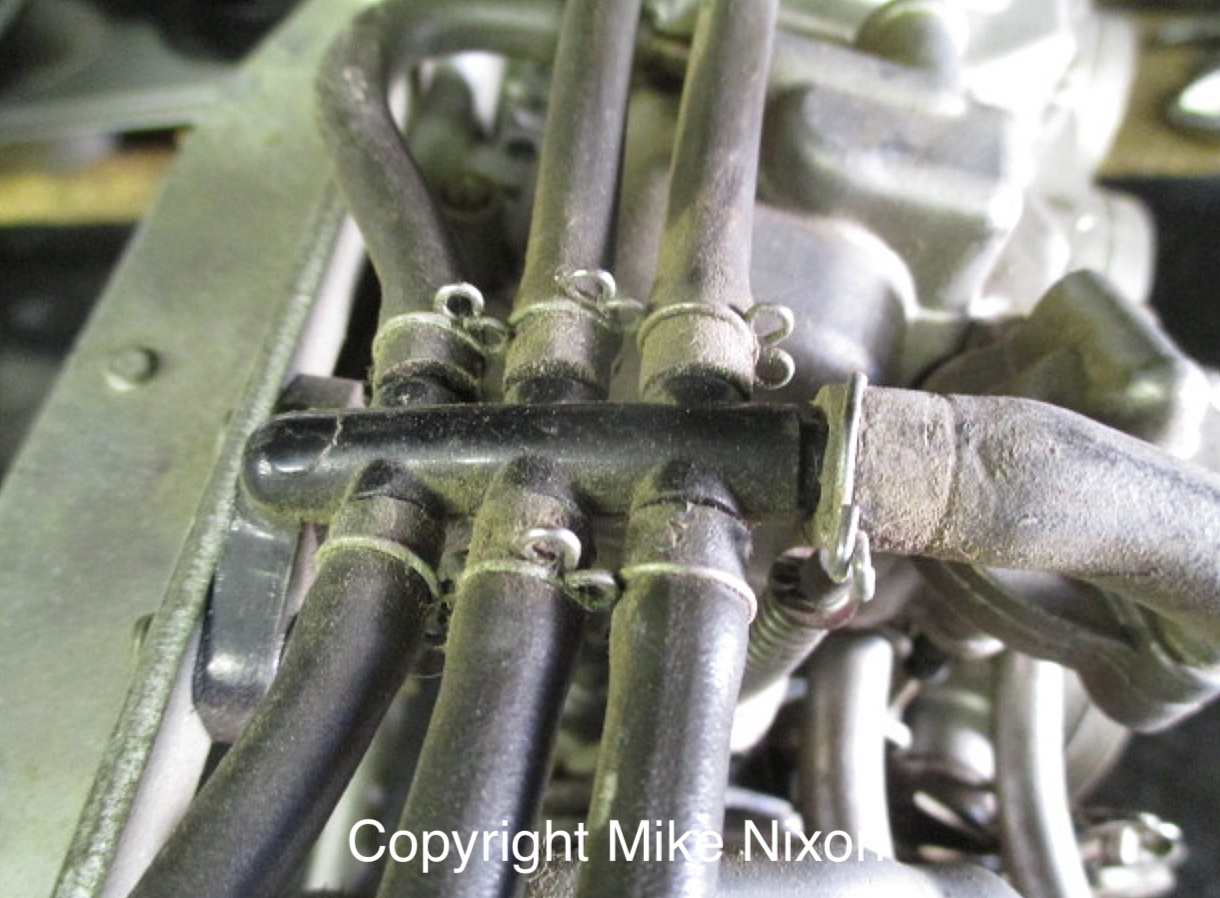
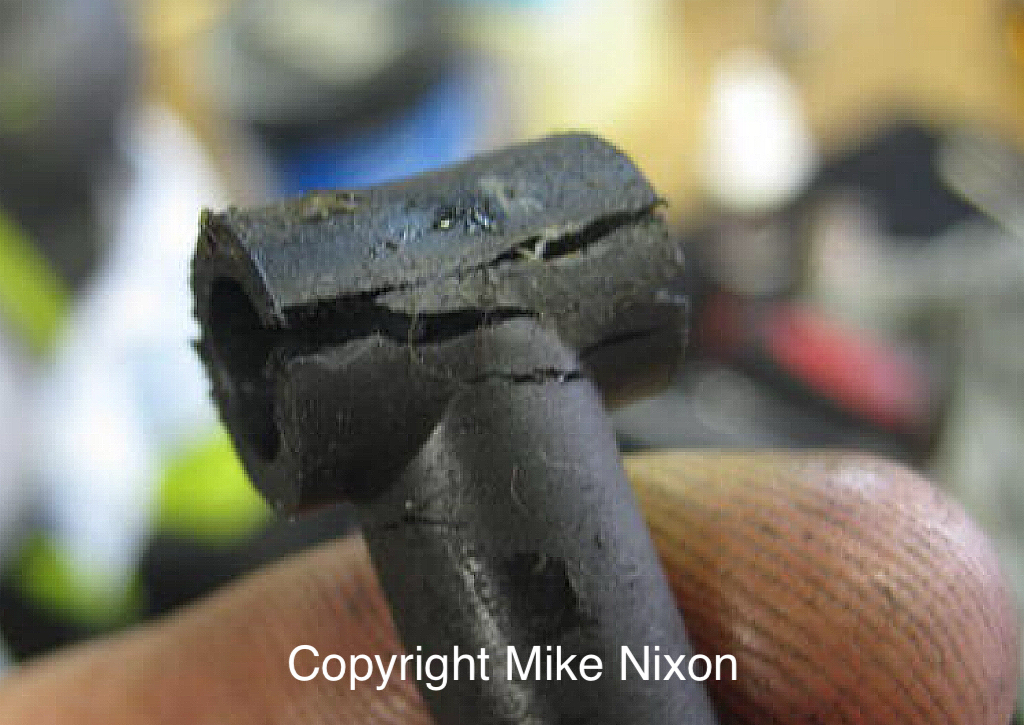
CBX again. The factory float bowl vent tees are rubber-based and eventually deteriorate. A number of better aftermarket alternatives are available.
|
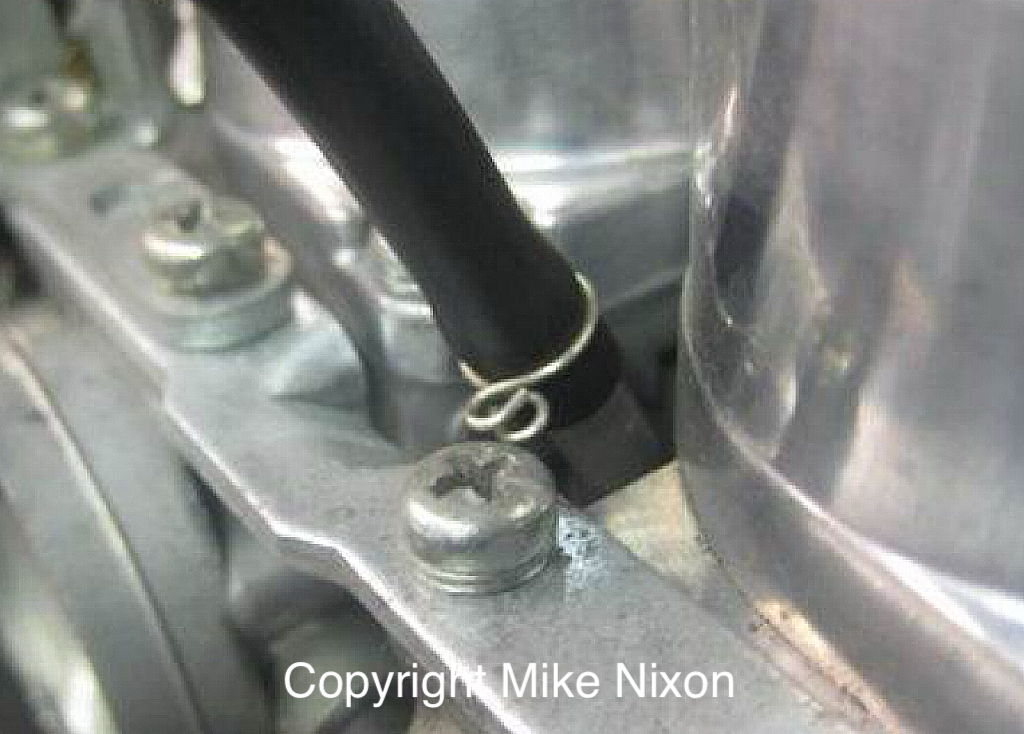
Speaking of CBX float bowl tees, this is not the correct routing of the tee hose. That notch in the carb steady is for the sync tool, not the float bowl vent. I have seen this a lot.
|
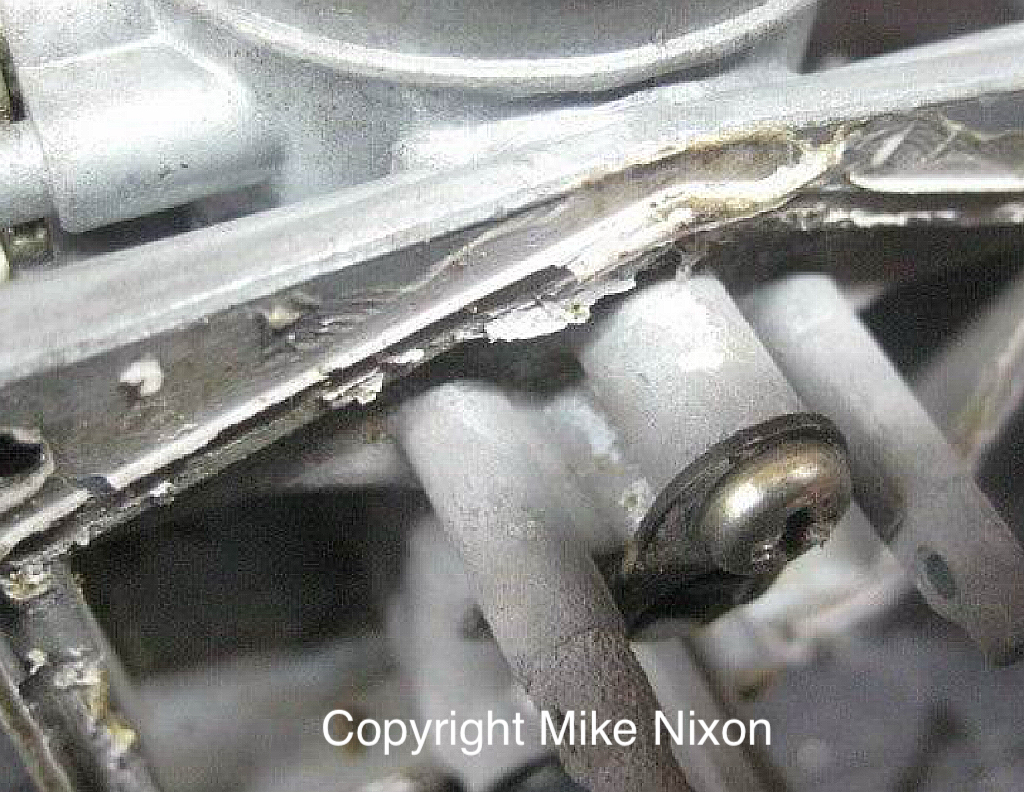
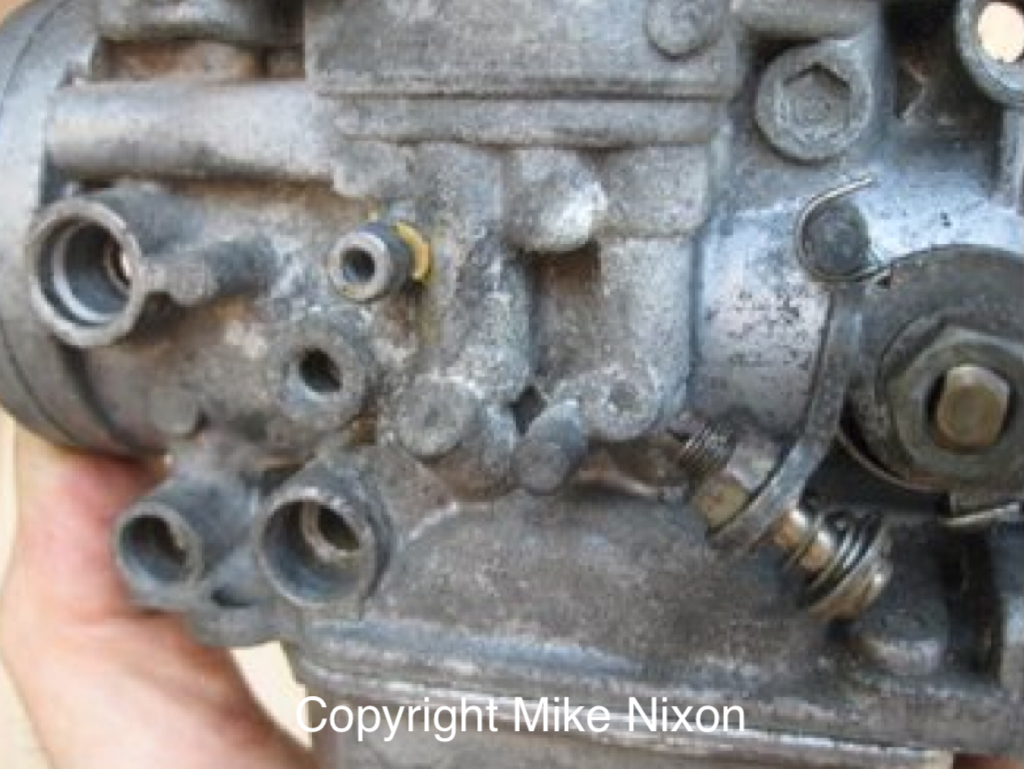
Ack! Don't do this to your carburetors. Replace 30 to 50 year old float bowl gaskets. Don't glue them.
|
|
|
|
|
|
A very corroded carburetor body. Bikes found near the ocean or in very humid climates often suffer from this issue.
|
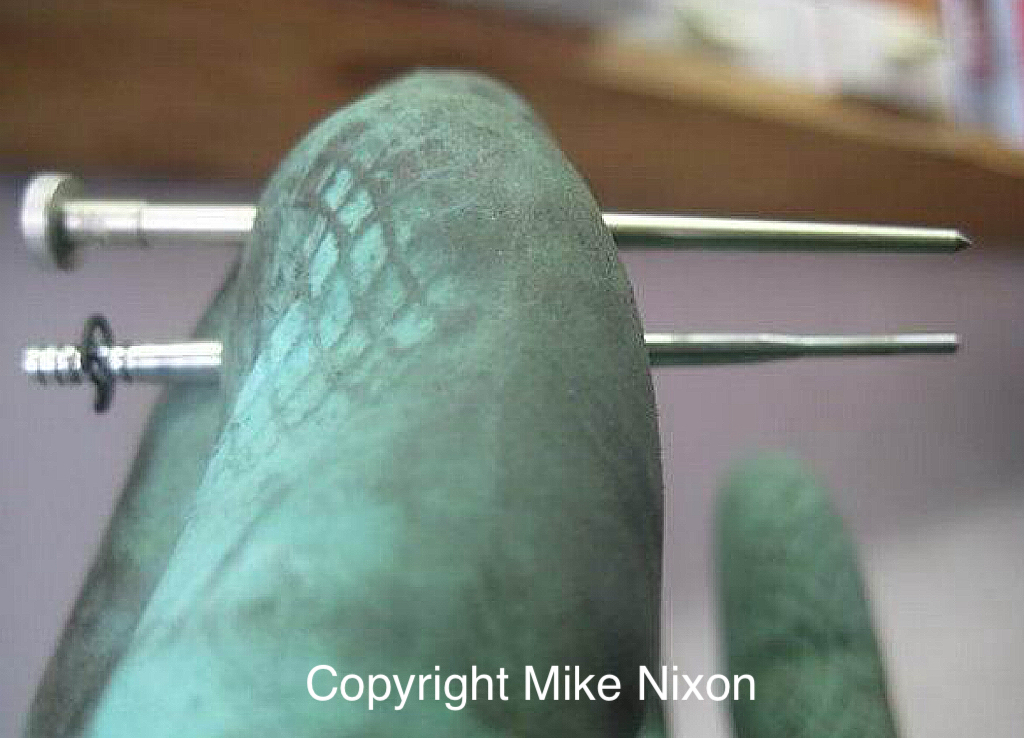
The jet needle at the top of the picture is an OEM part. The one below it is a Dynojet kit part. It is one of the worst things you can do to a vintage Honda carburetor.
|
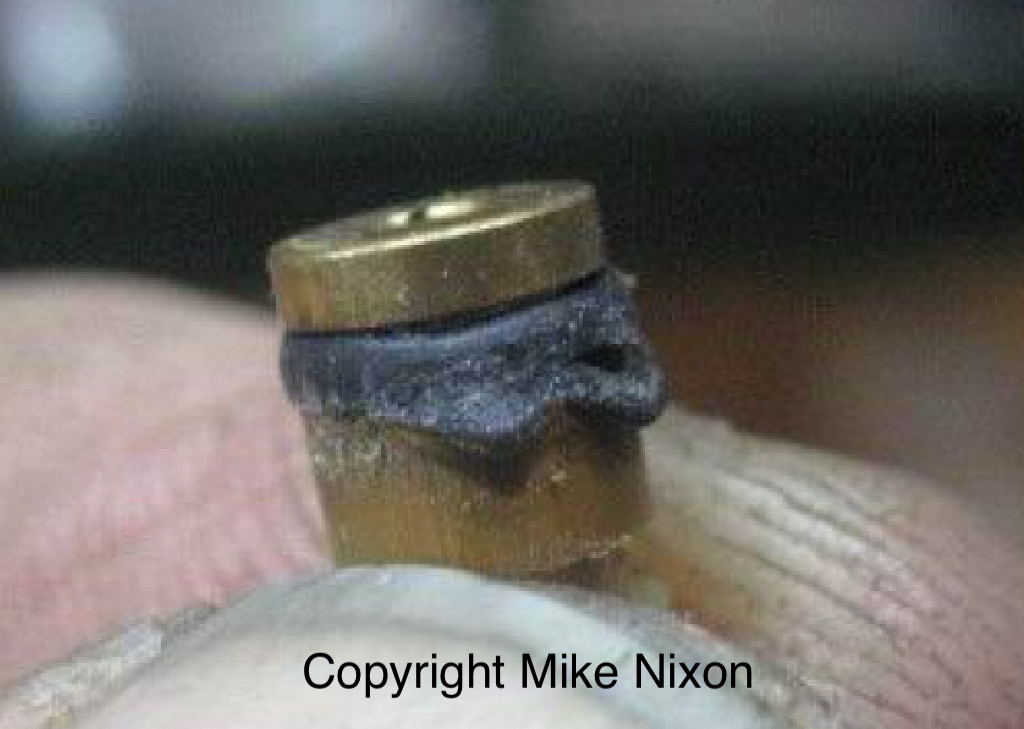
The smaller 70s Honda fours, early twins and the GL1000 use push-fit main jets. The o-rings are sized in odd tenths of a millimeter and must fit precisely. They are not correctly sized in any rebuild kit.
|
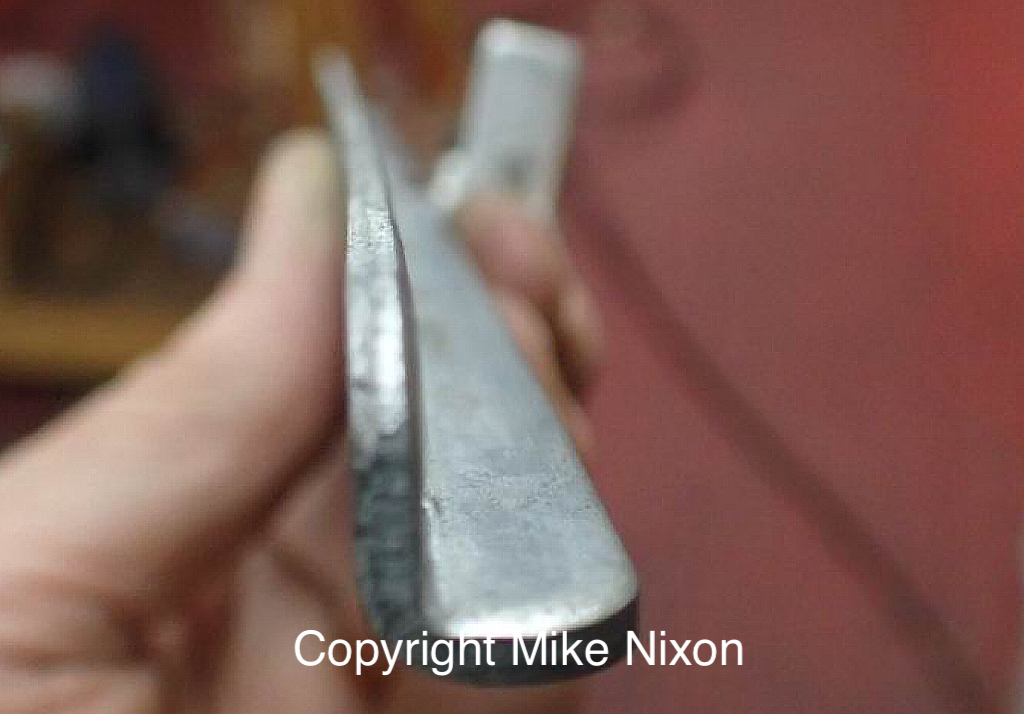
Many don't realize how important carburetor "steady brackets" are. The carburetor's horizontal shafts rely on the brackets to be straight to work properly. This one is crooked.
|
|
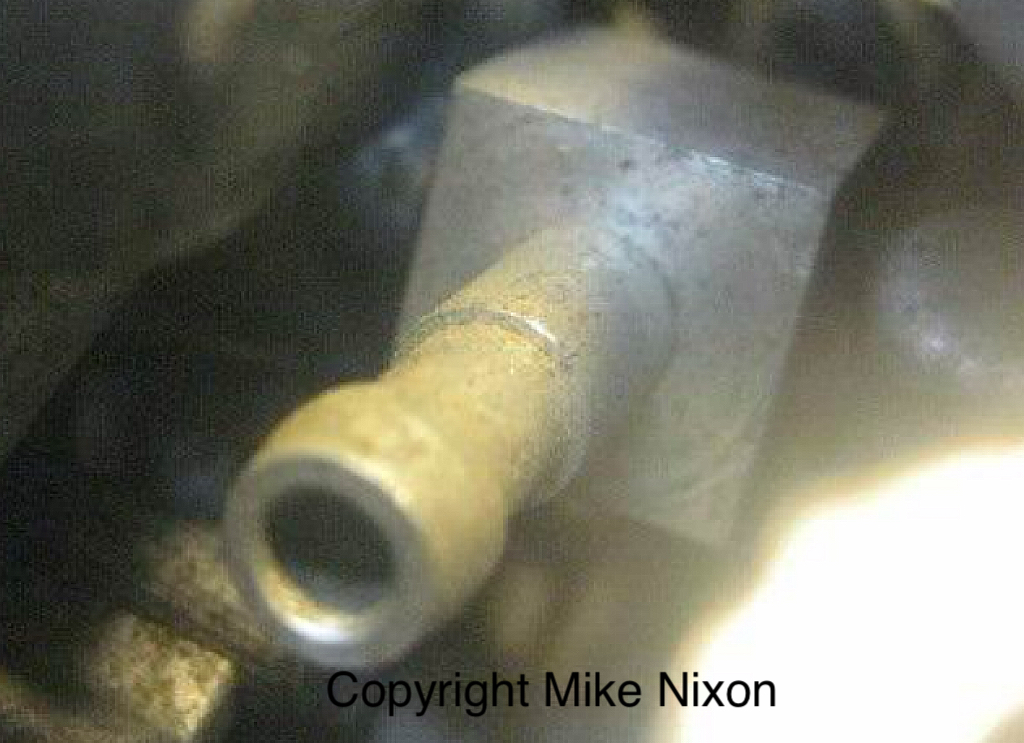
|
|
|
|
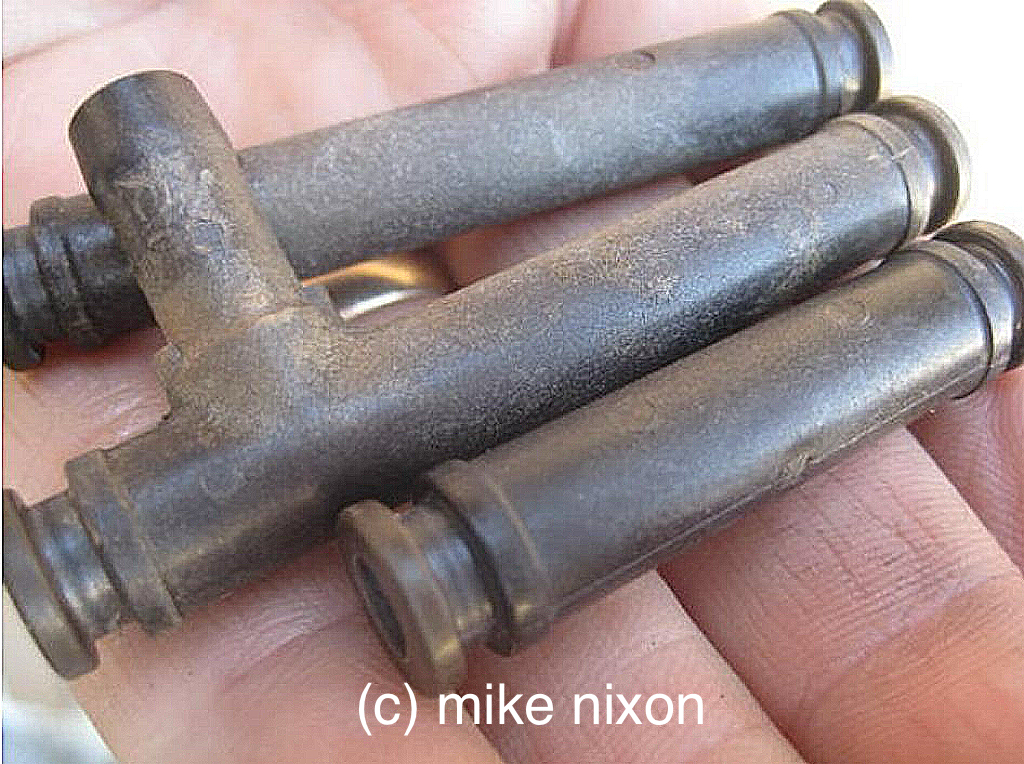
Honda's first-gen V4 carburetors employed plastic fuel tees and pipes. Many people seem to break these easily. But it's not the fault of the carburetors. It is due to improper reassembly.
|
These float bowl vents used to be sold by a well-known aftermarket CBX parts supplier. I hope they aren't any more. A bad design, they interfere with the sync tool.
|
This crops up every now and then, a vintage Honda DOHC four carburetor float that has been modified to compensate for a warped float. It is best to replace the float instead.
|
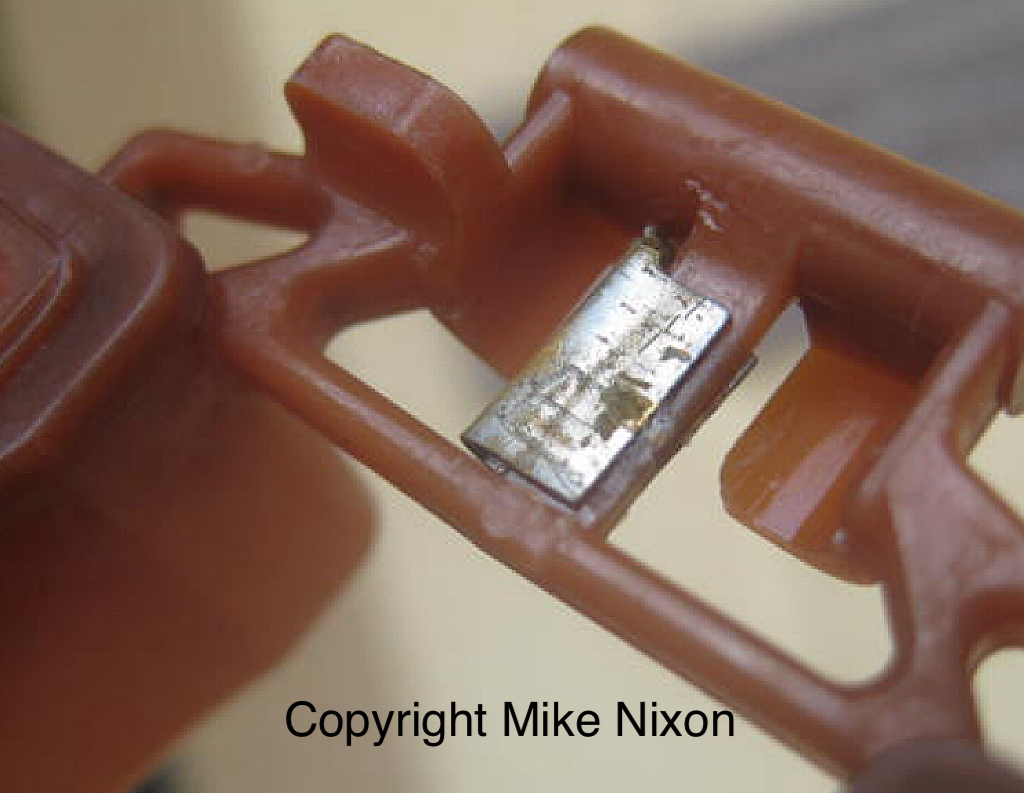
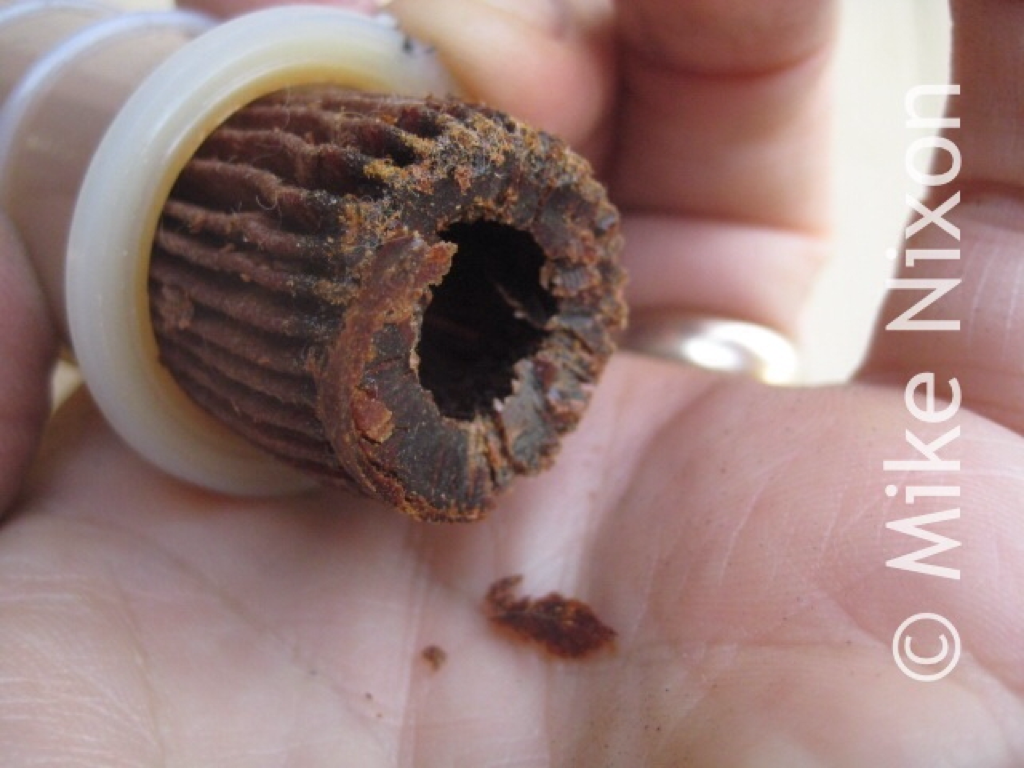
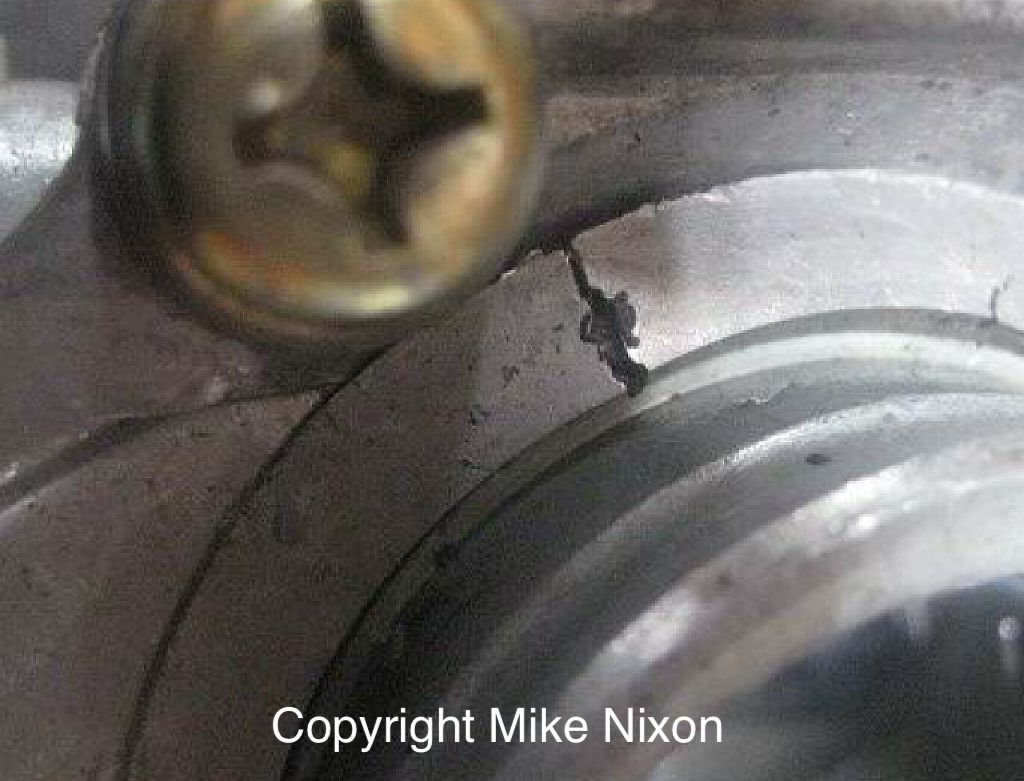
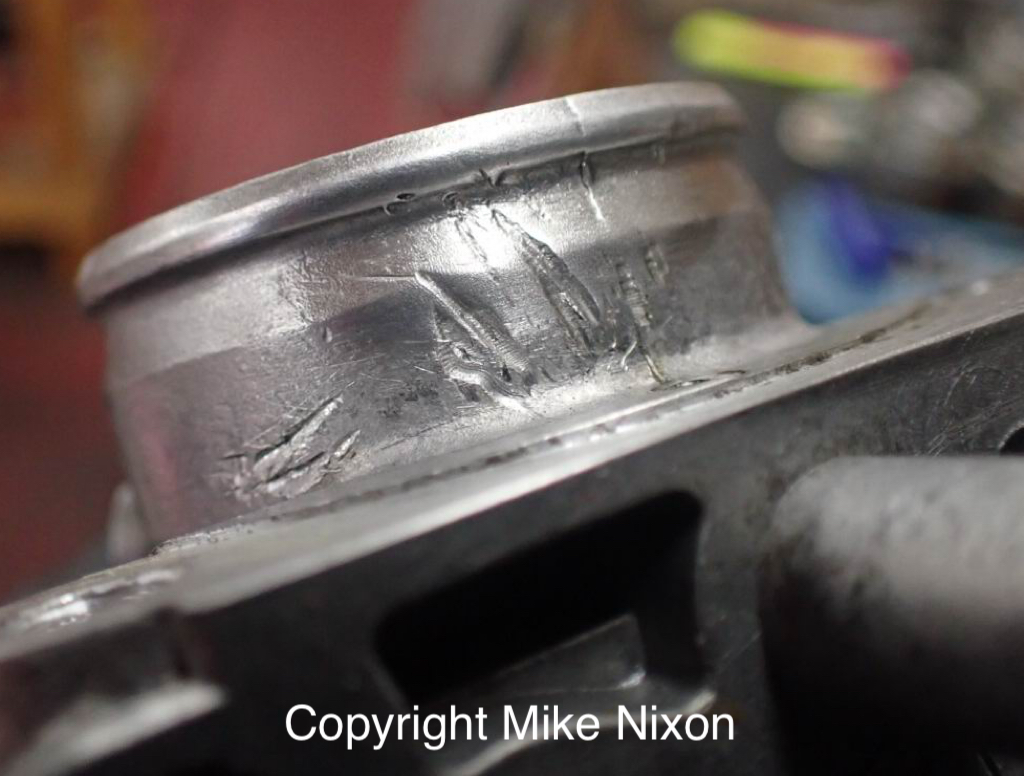
Some years ago inline fuel filters available from several sources had an issue with the glue dissolving. This one was sold as a replacement for vintage Gold Wings.
|
|
|
|
|
|
This shows up every so often. It is a crack in the steady plate on a set of Honda PD series carburetors. It comes from unprofessional reassembly.
|
This shouldn't happen. It is extremely bad practice to pry your carburetors out of the manifolds.
|
This is a Honda VB series slide cushion. When installed upside-down as this one has been, it deforms when the vacuum top is tightened down, ruining it.
|
It always saddens me to see 40 to 50 year old carburetors, with signs of history, that have never benefitted from a maintenance service. It's near tragic.
|
|
|
|
|
|
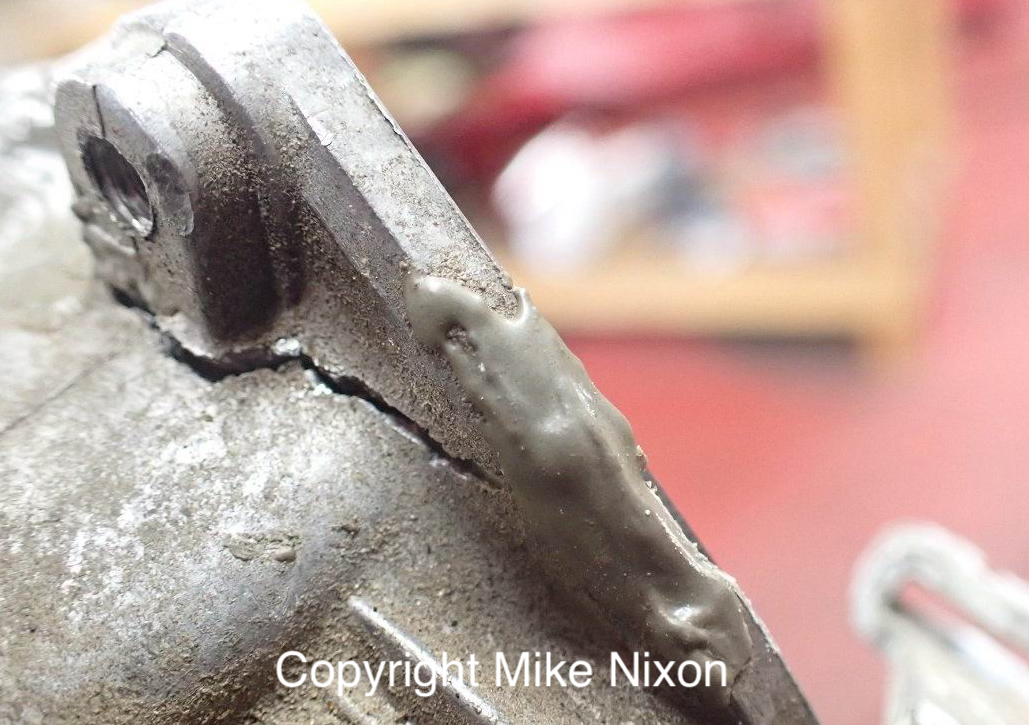
The various V4 carburetors are the most delicate of all that Honda employed. Thin castings, intricate assembly, and subsequently easily damaged when handled roughly. To add insult as they say, note the ill advised recourse to JB Weld.
|
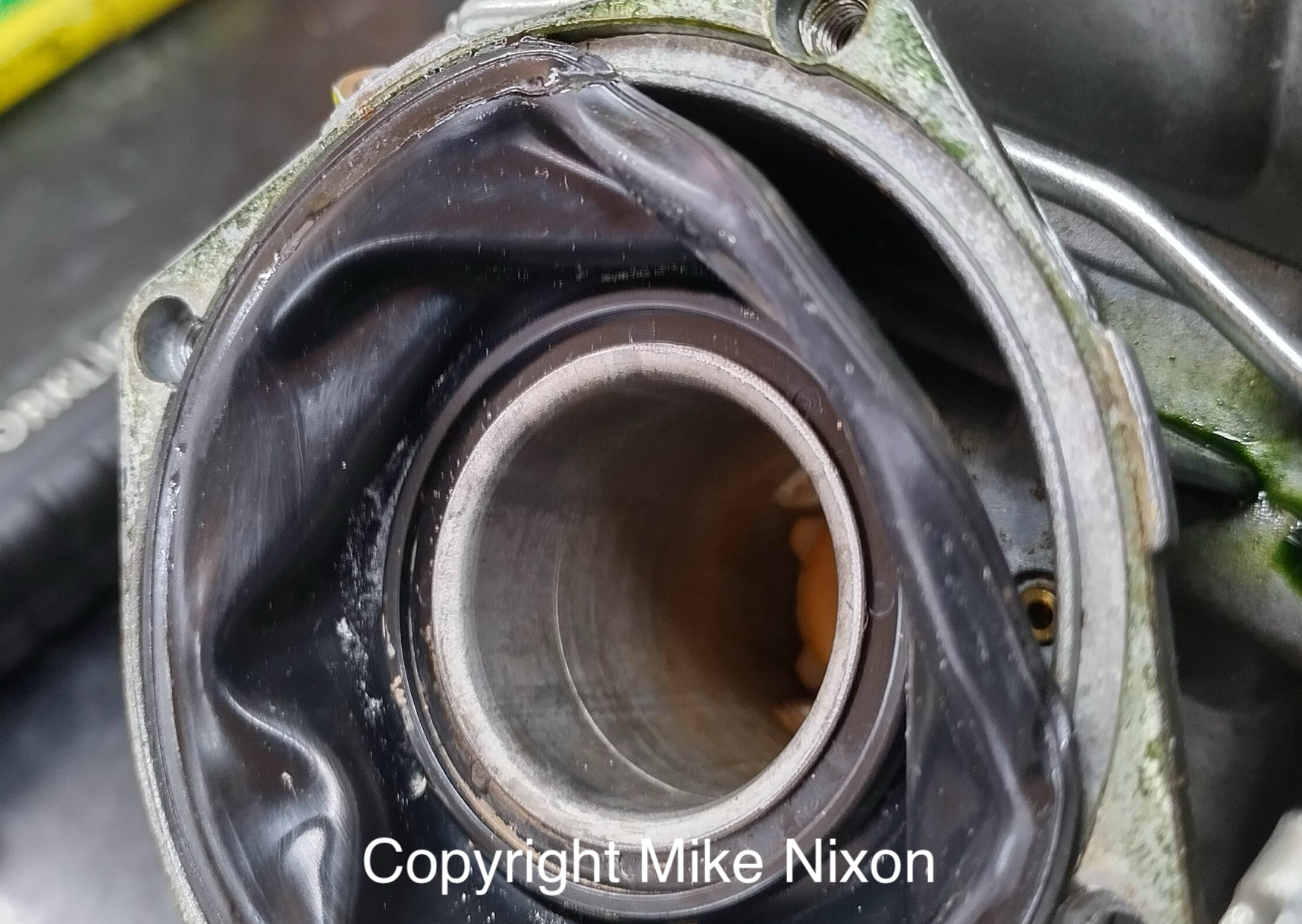
Rubber diaphragm CV carbs often are abused in this way. That is, assembled unintelligently, so as to get their diaphragms misinstalled. This is easy to prevent.
|
I have received more than a few carburetors that have been abrasive blasted. This set had to have all its linkage and steel brackets re-zinc plated, because the carbs had been blasted while still assembled, which removed all their plating.
|
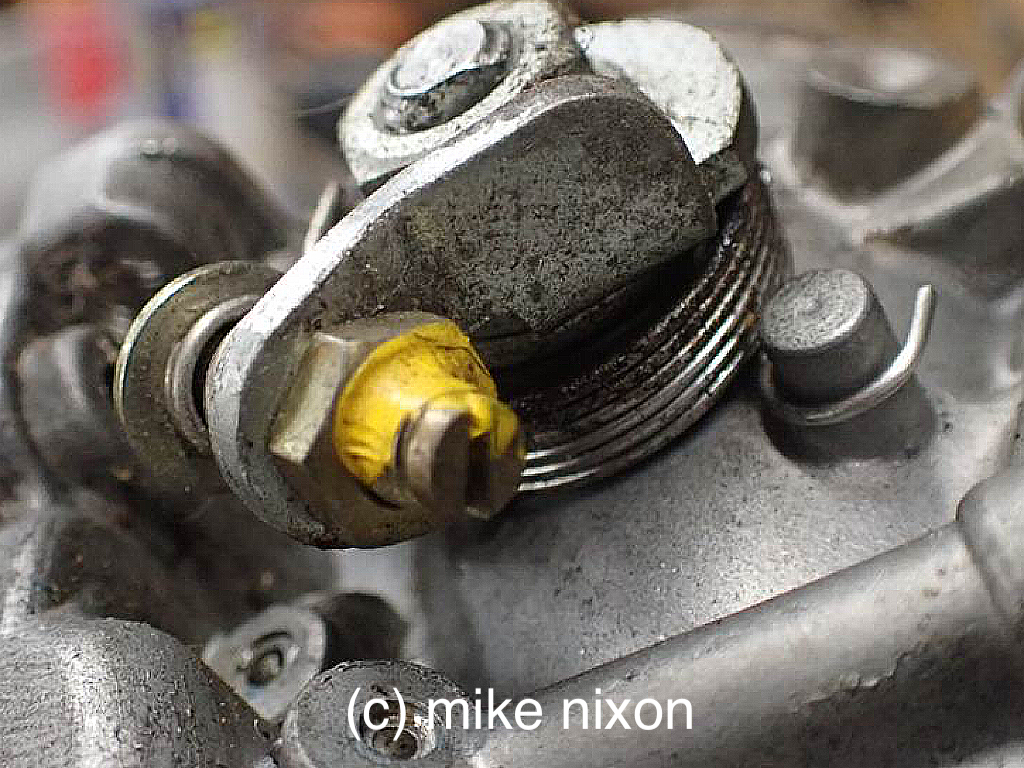
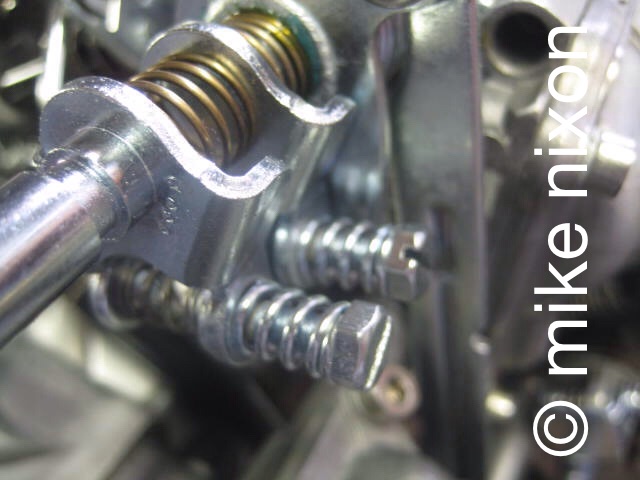
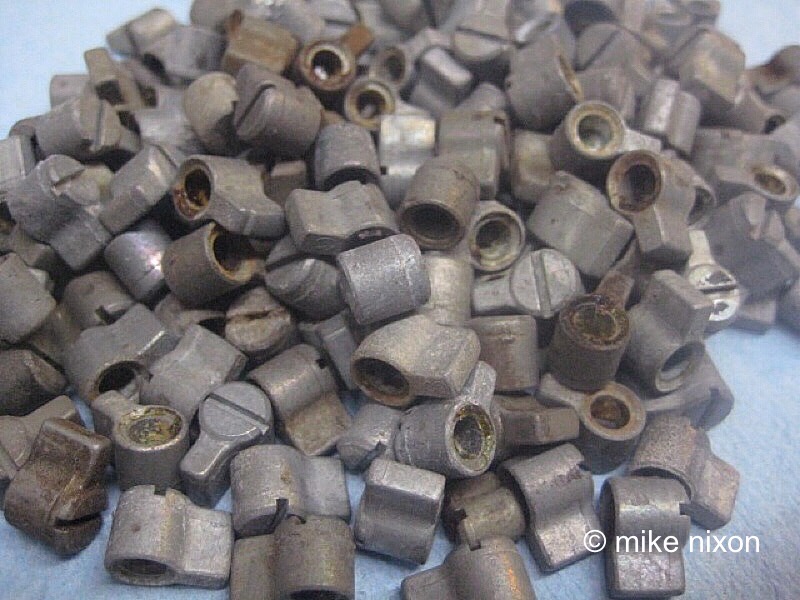
The pilot screw stop flags found on many vintage Honda carburetors should never be left on. Correct adjustment requires their removal.
|
|
|
|
|
|
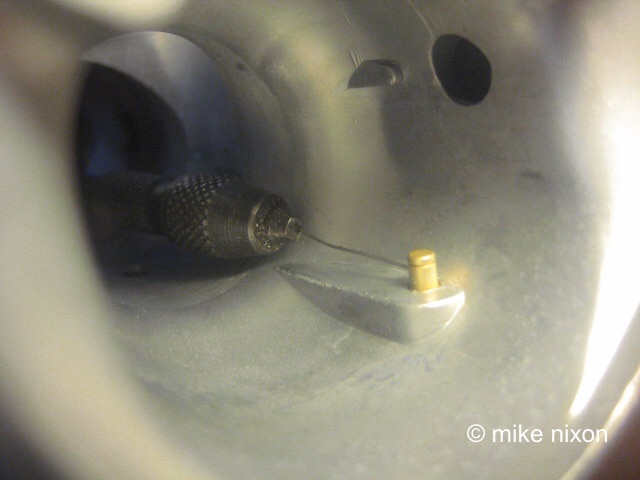
Oftentimes, this is the only way to clear a VB series Honda carb accelerator pump discharge nozzle.
|
Never use this on your carburetors. A horrid concept, rasp filing your jets!
|
Another "never do". Never stroke anything under your throttle plates. People still insist on doing this. But it irreparably harms the plates.
|
|
Last updated July 2026 Email me www.motorcycleproject.com My bio © 1996-2026 Mike Nixon |