  ® ®
|
Bad stuff: Carburetors |
|
Here is a collection of pictures I hope are instructive. These are all in reference to carburetors, some things that just happened, others that happened to them. Take heed. |
|
|
|
|
|
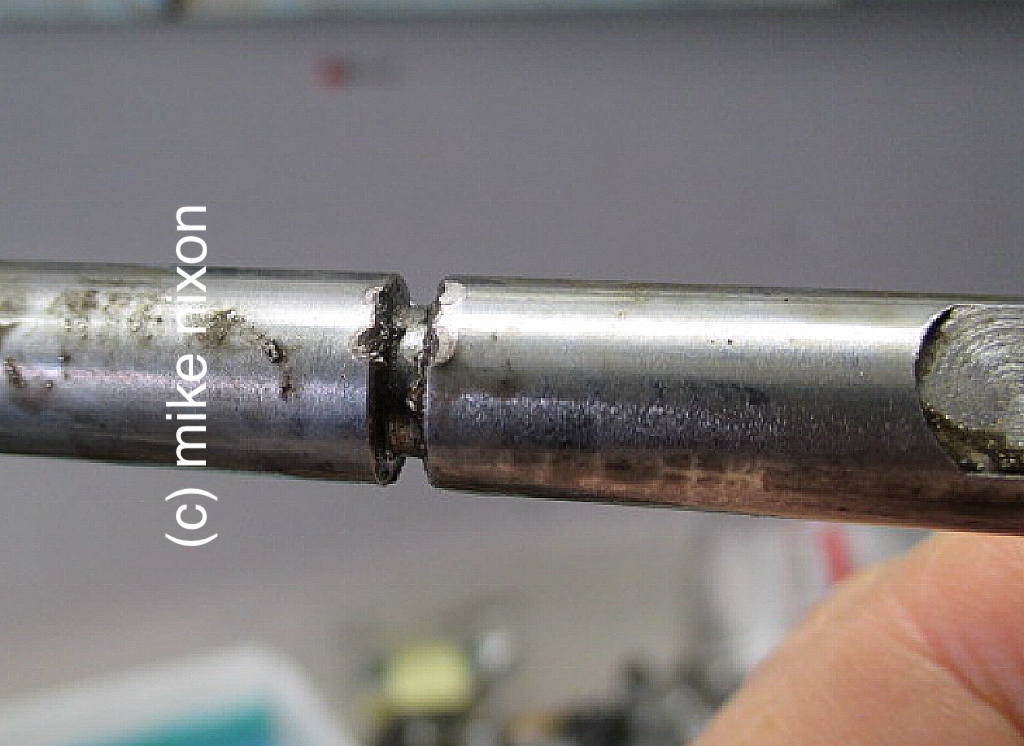
This is a classic! Folks unaware of how to remove the SOHC four throttle shaft pound on it and damage the shaft's locating groove.
|
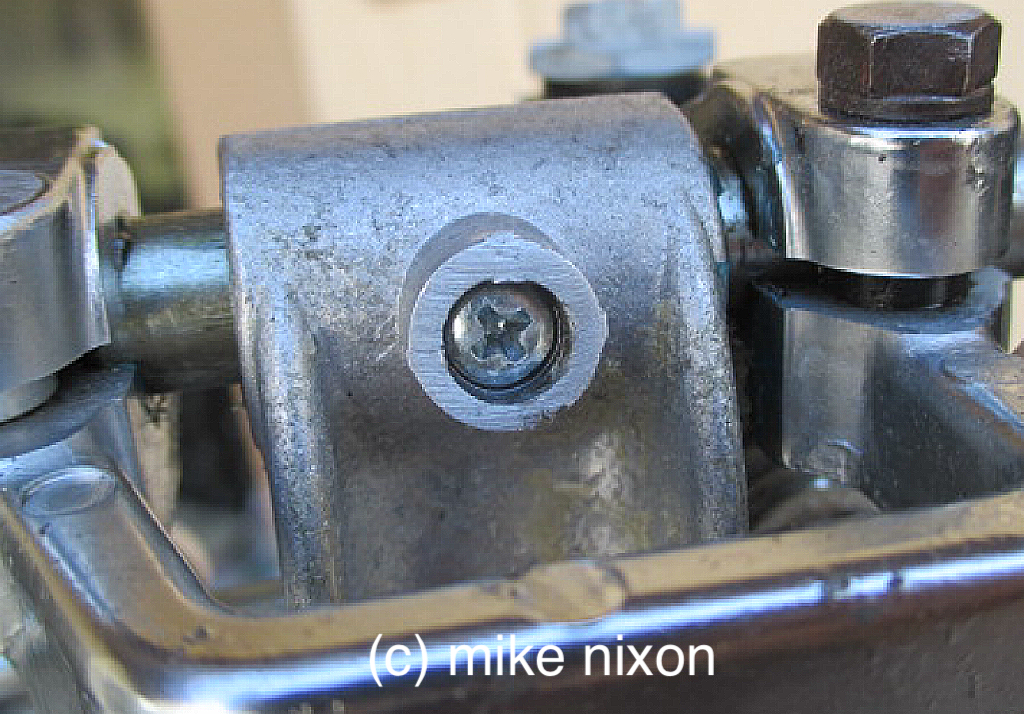
Here is where they should have started, by removing the pressed-in pin. The screw shown has taken the place of the locating pin. |
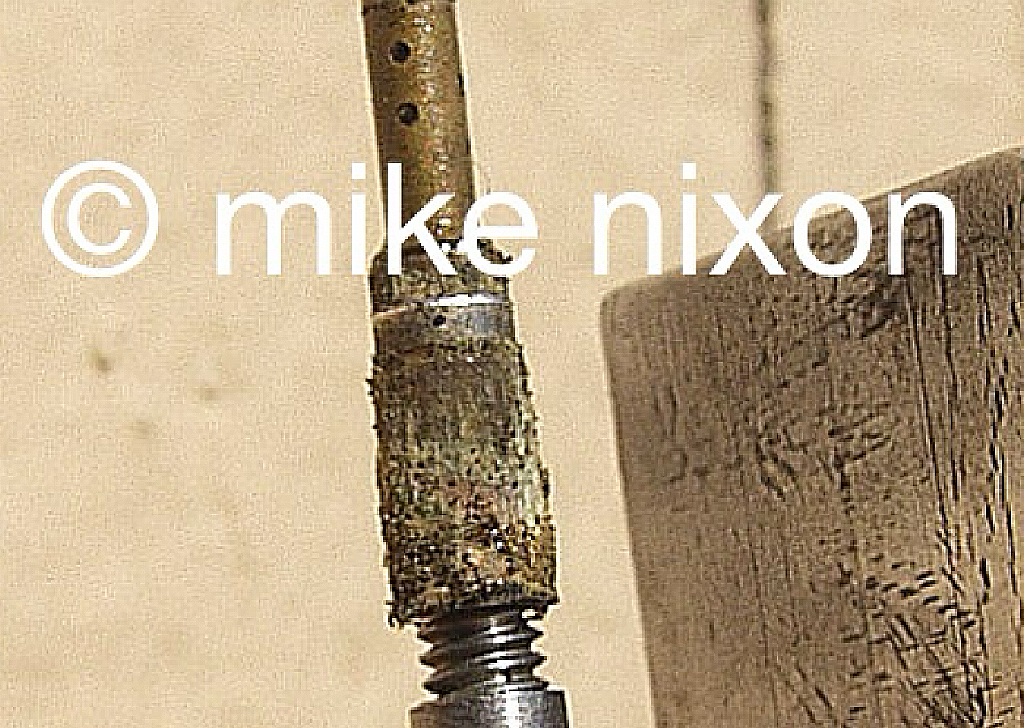
This idle jet from a VB series carburetor shows why it needs to be removed even though it requires unusual means. |
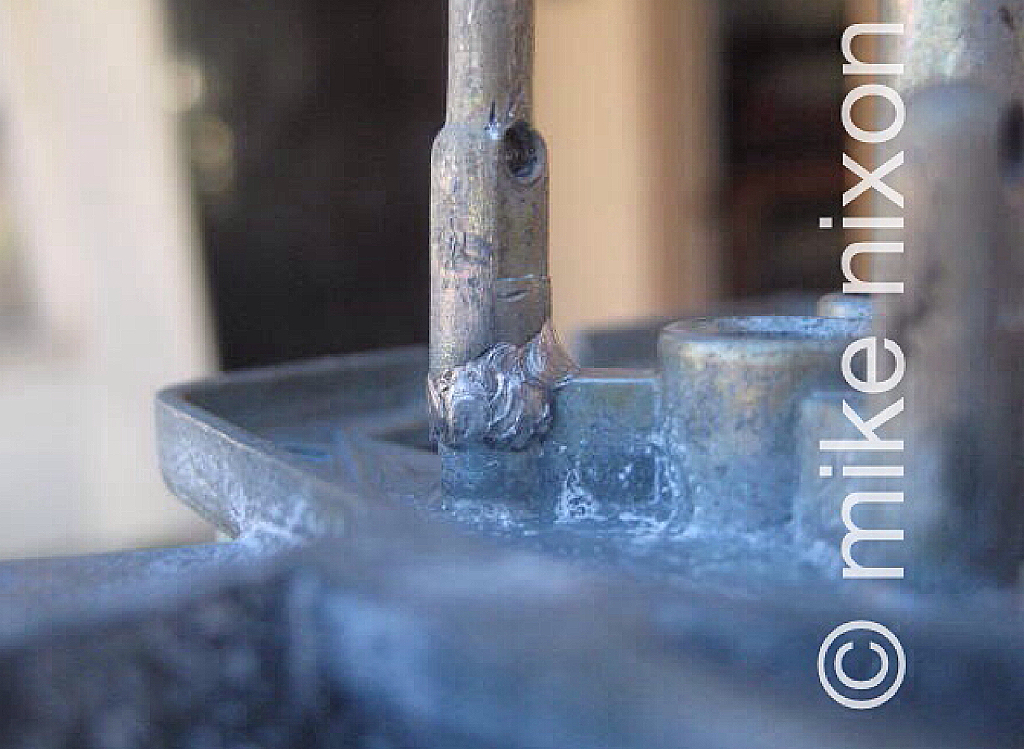
Welding of float pivot posts is a frequent need on vintage carburetors. It takes a specialist. This is not standard welding. |
|
|
|
|
|
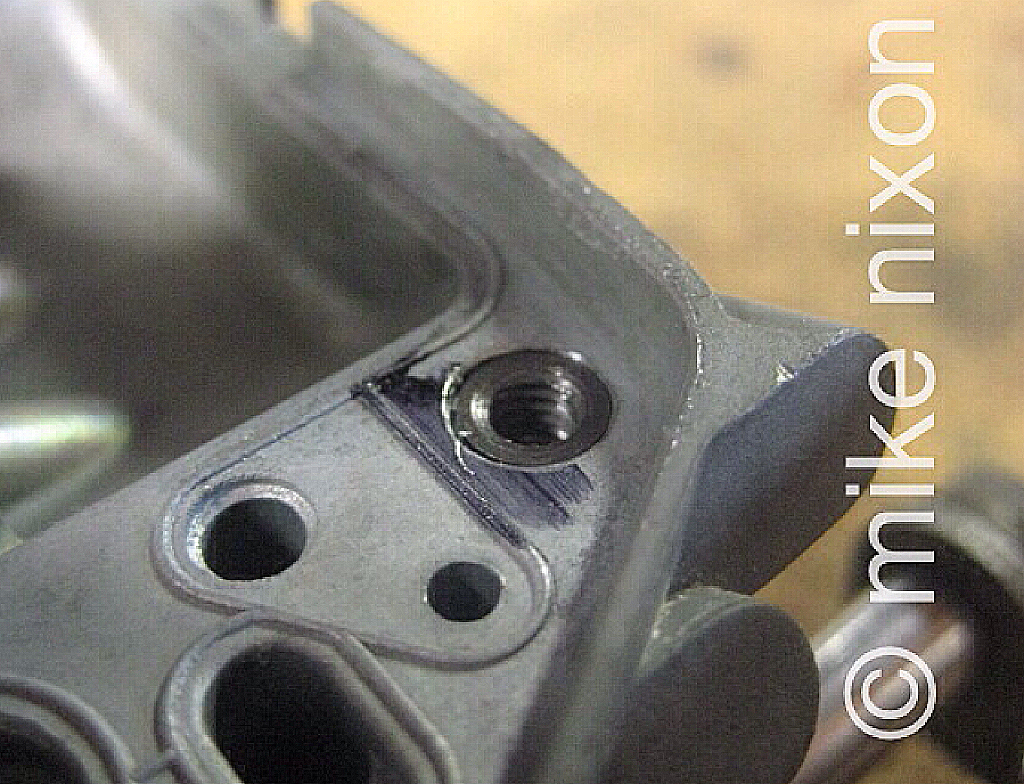
Thread repair in the form of steel thread inserts is also a common part of carburetor rebuilding.
|
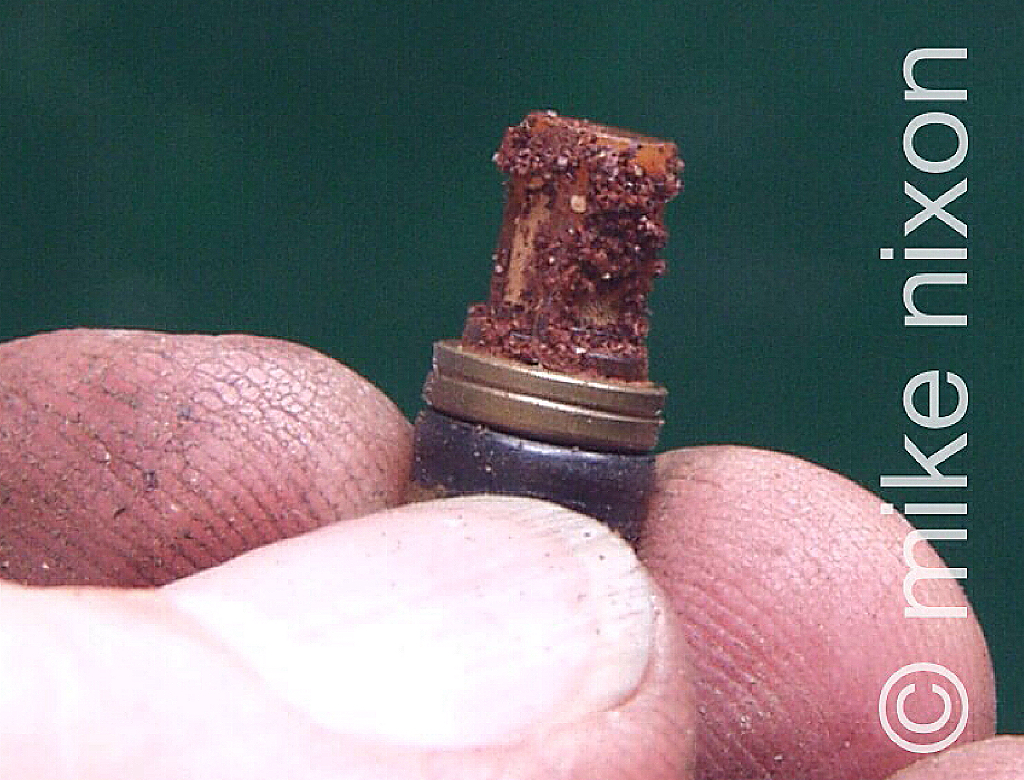
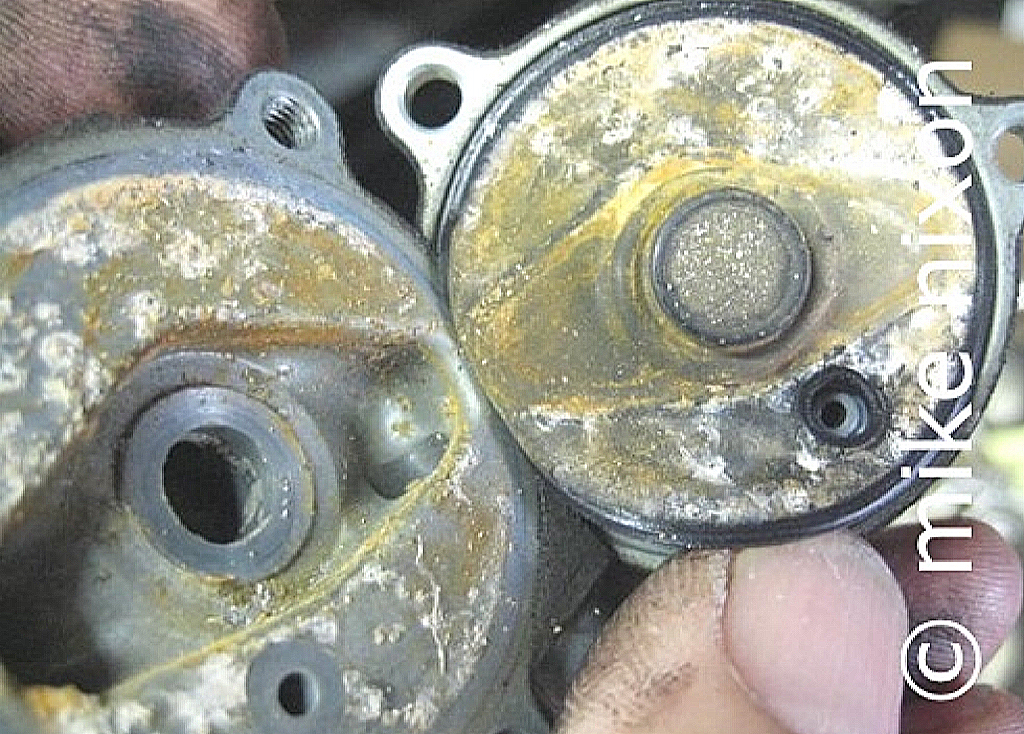
That's a lot of rust on that float valve screen. Some people advocate leaving these screens off. What do you think? |
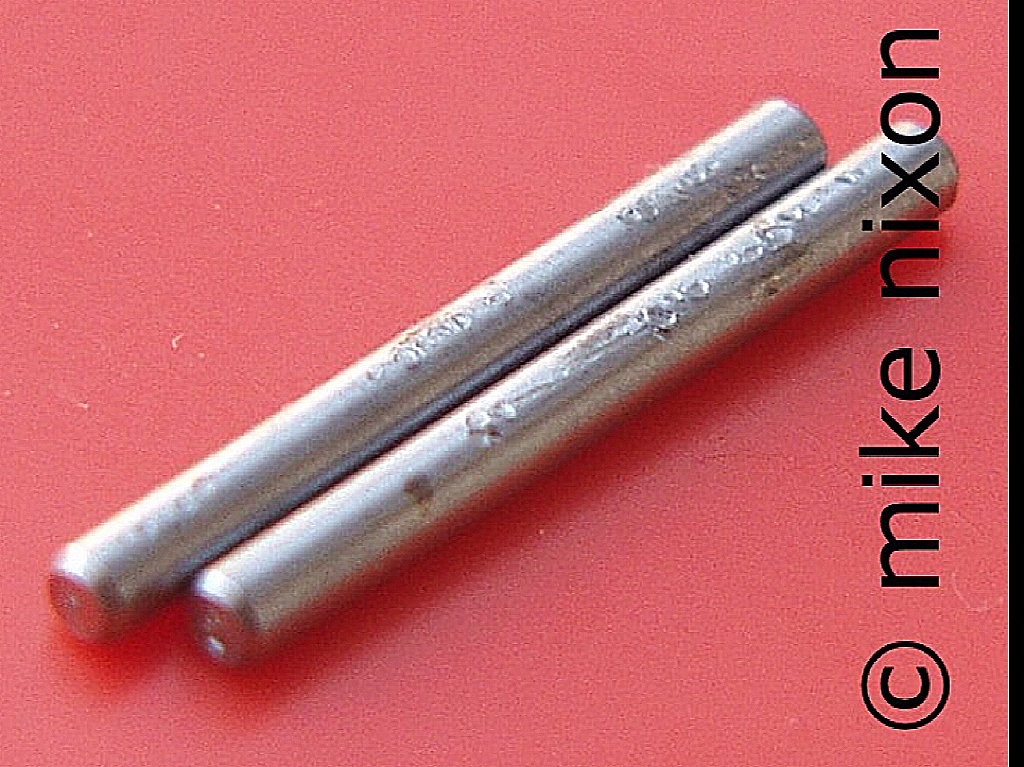
These float pivot pins have been mangled by the use of pliers. It's best to replace them because the divits will stress the pivot posts. |
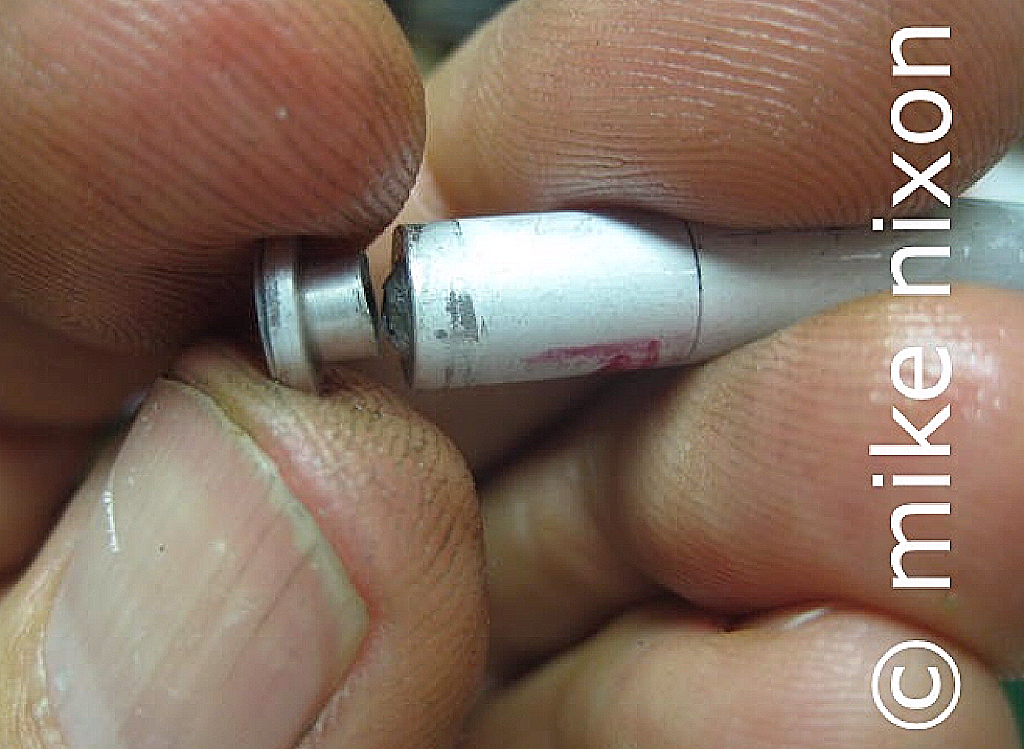
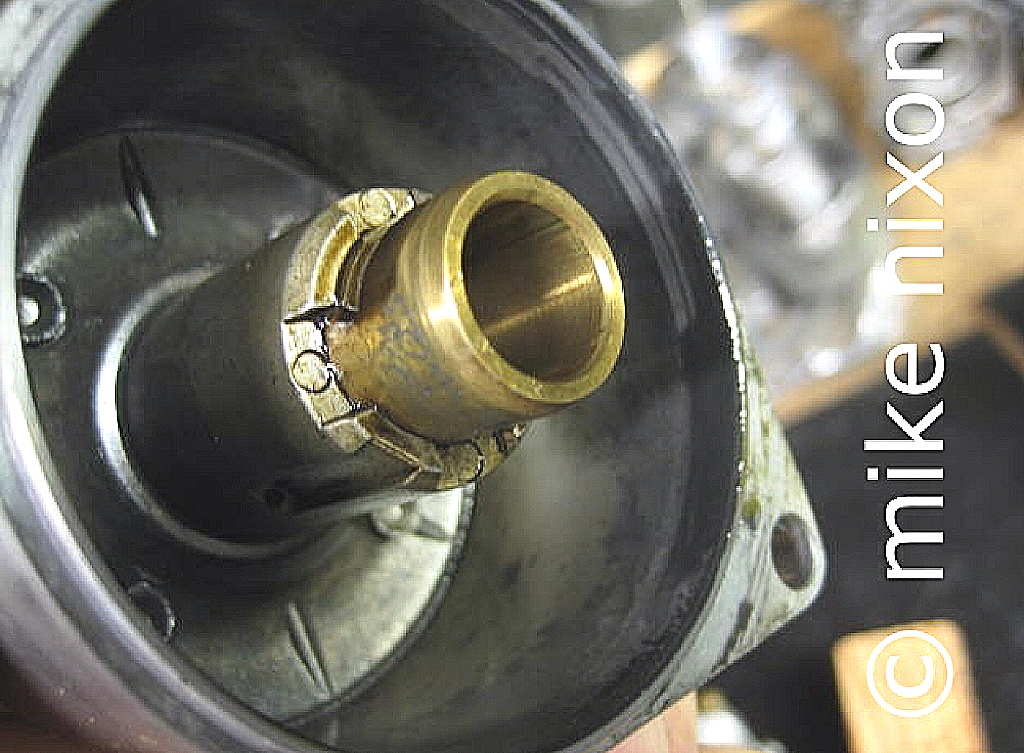
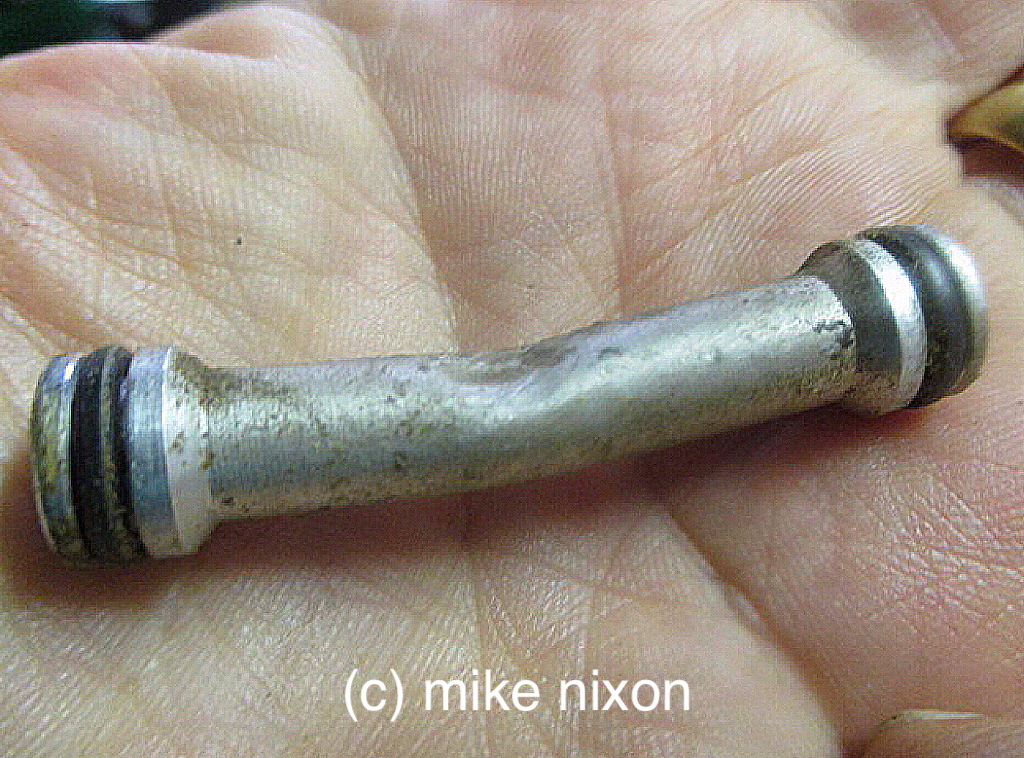
This accelerator pump passage tube has been broken through unprofessional carburetor disassembly technique. |
|
|
|
|
|
Air cutoff diaphragms are easily damaged when someone tries to clean carburetors without first removing the diaphragms.
|
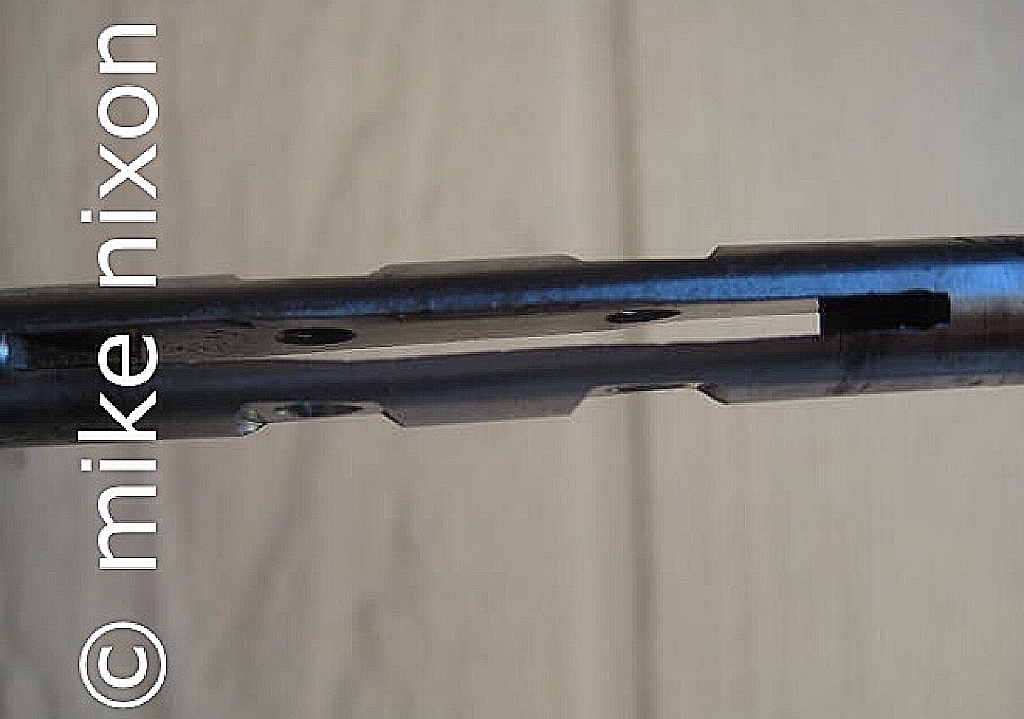
This is a Gold Wing carburetor throttle shaft that has been twisted by an impatient user. |
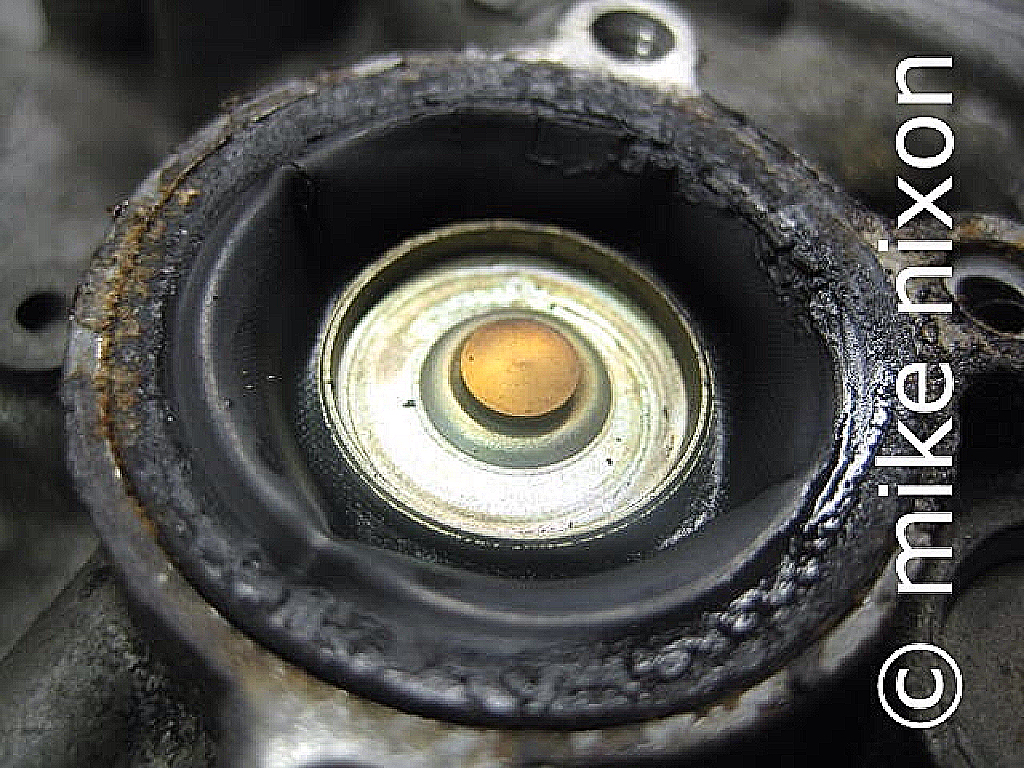
The vacuum fuel valve often found on Honda carburetors can fill up with muck. |
This VB series constant velocity carb shows evidence of deposits from the crankcase recirc system. |
|
|
|
|
|
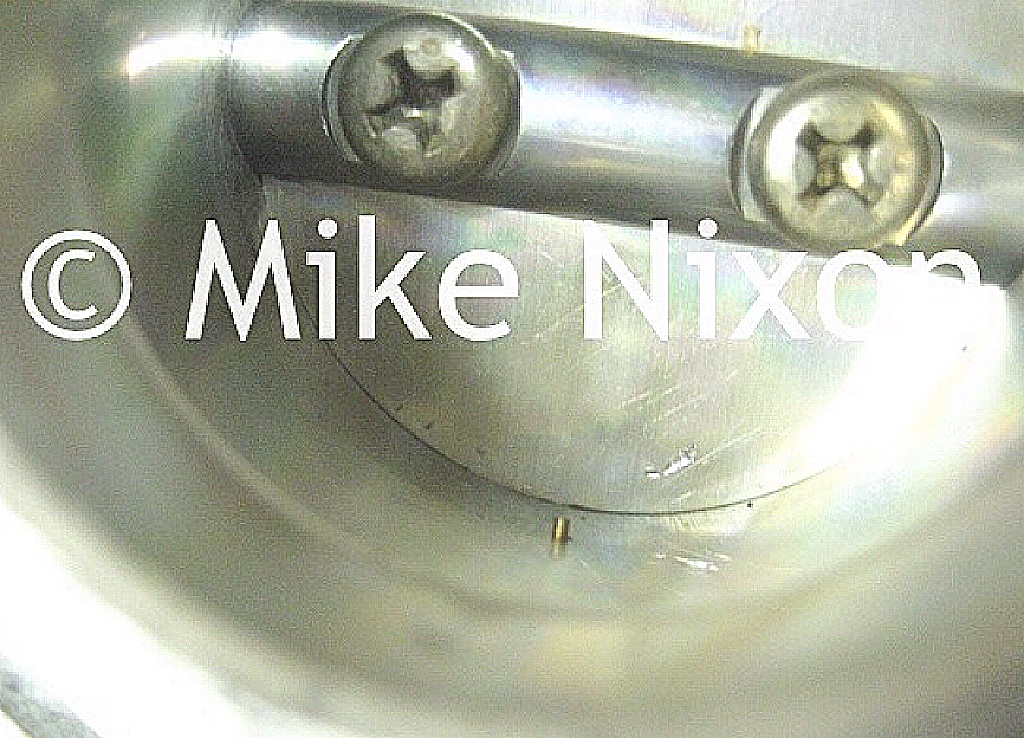
Yes, that is a pilot screw sticking up inside the carburetor bore. Hopefully the screw has not broken off inside.
|
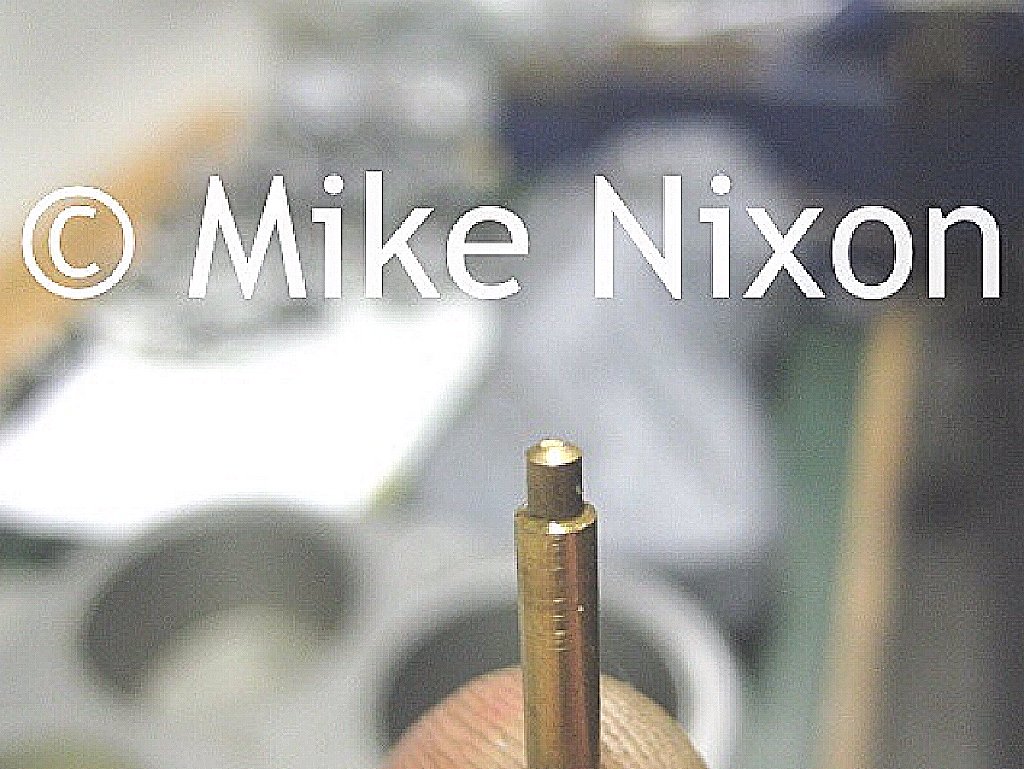
Too bad. Here is the screw missing its tip. The left behind tip is very difficult to get out. |
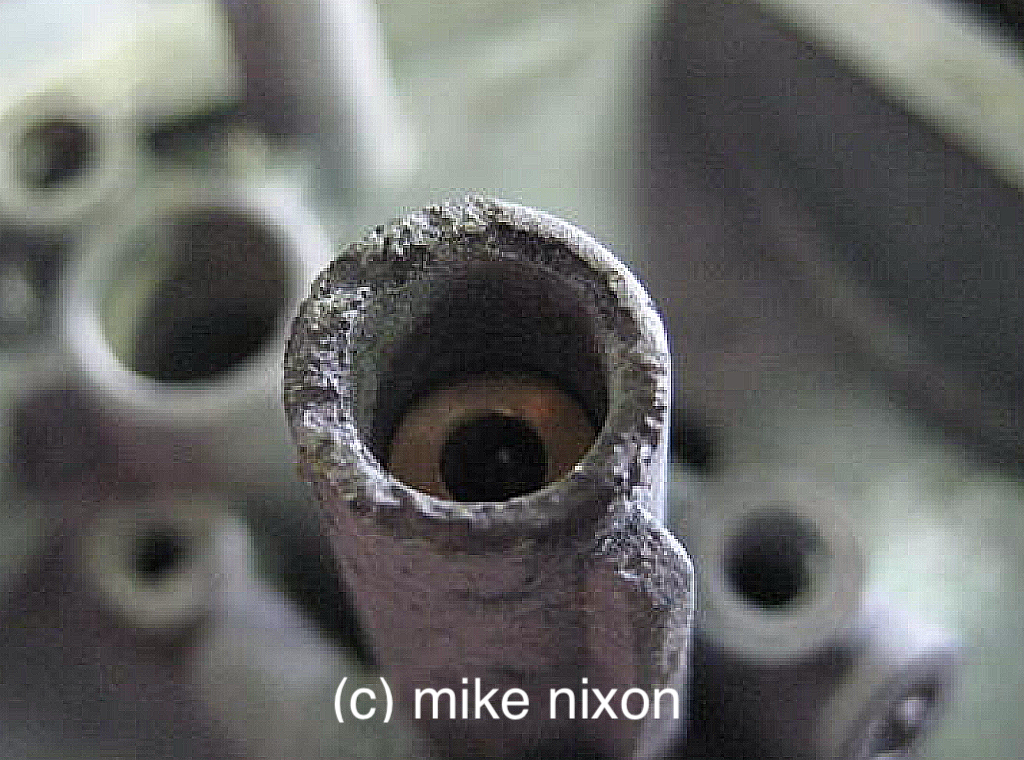
This is how most CB500/550 and CB350/400F carburetors look. This can be saved. |
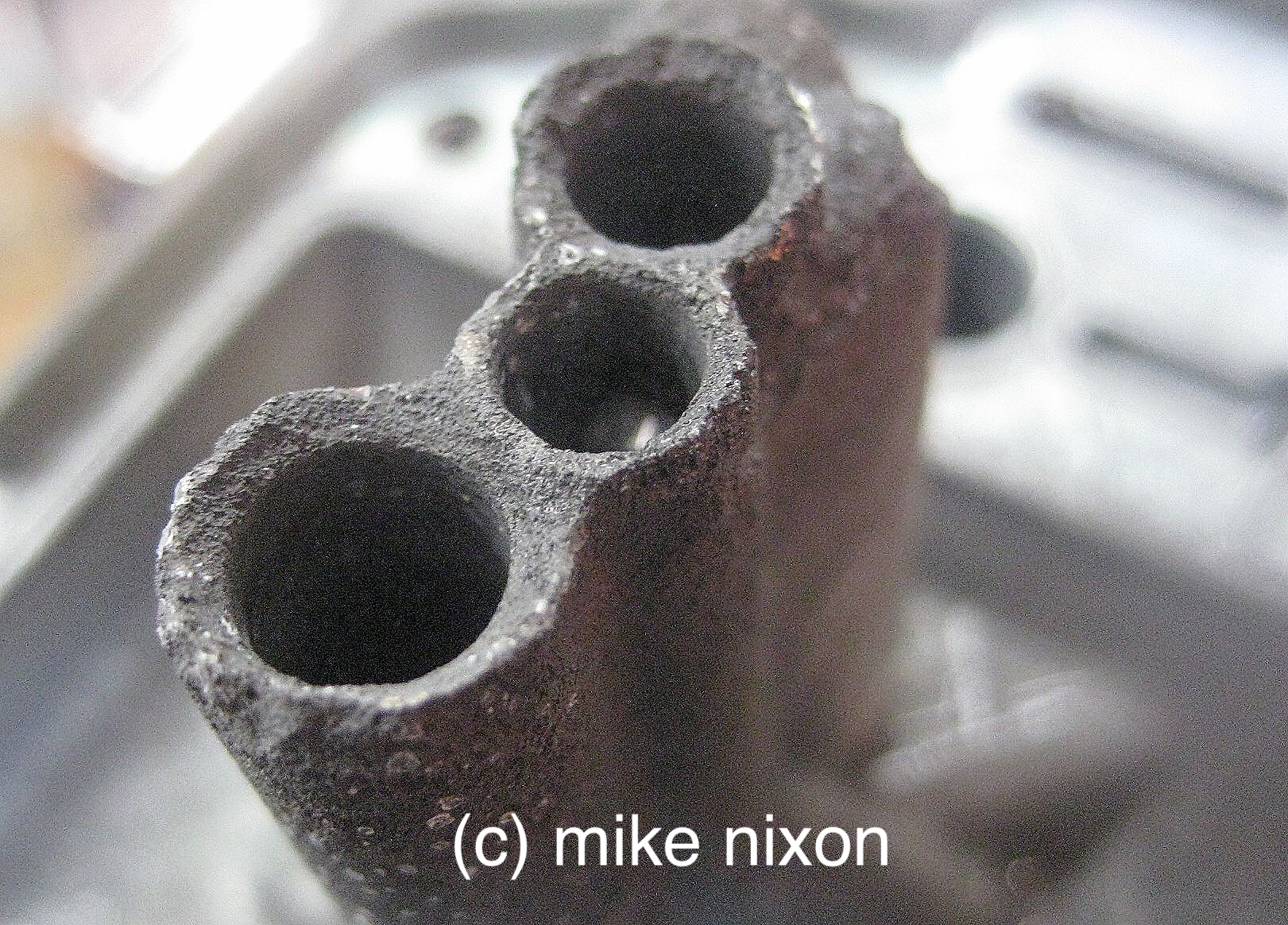
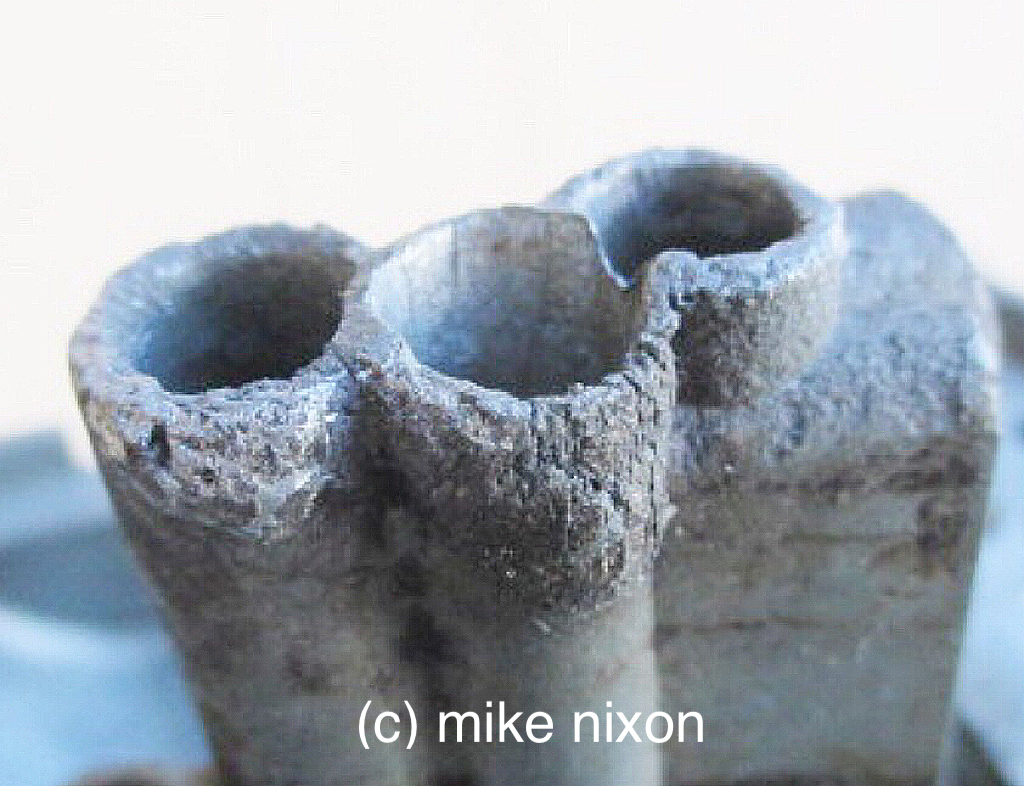
This is a GL1000 carburetor. It is too eroded to save. The carb body must be replaced. |
|
|
|

|
|
Someone used heat on this GL1000 carburetor, already ruining it. Then they tried drilling the idle jet tower. The carb is junk.
|
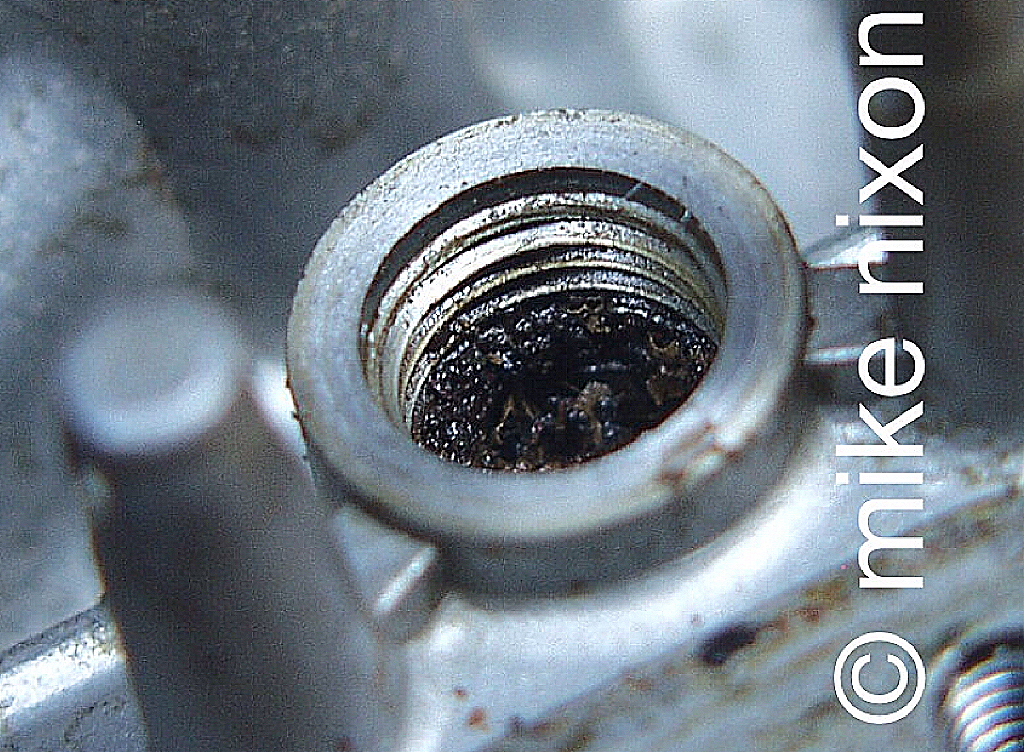
That's rust inside that fuel inlet cavity. Ultrasonic and hand work will get it out. |
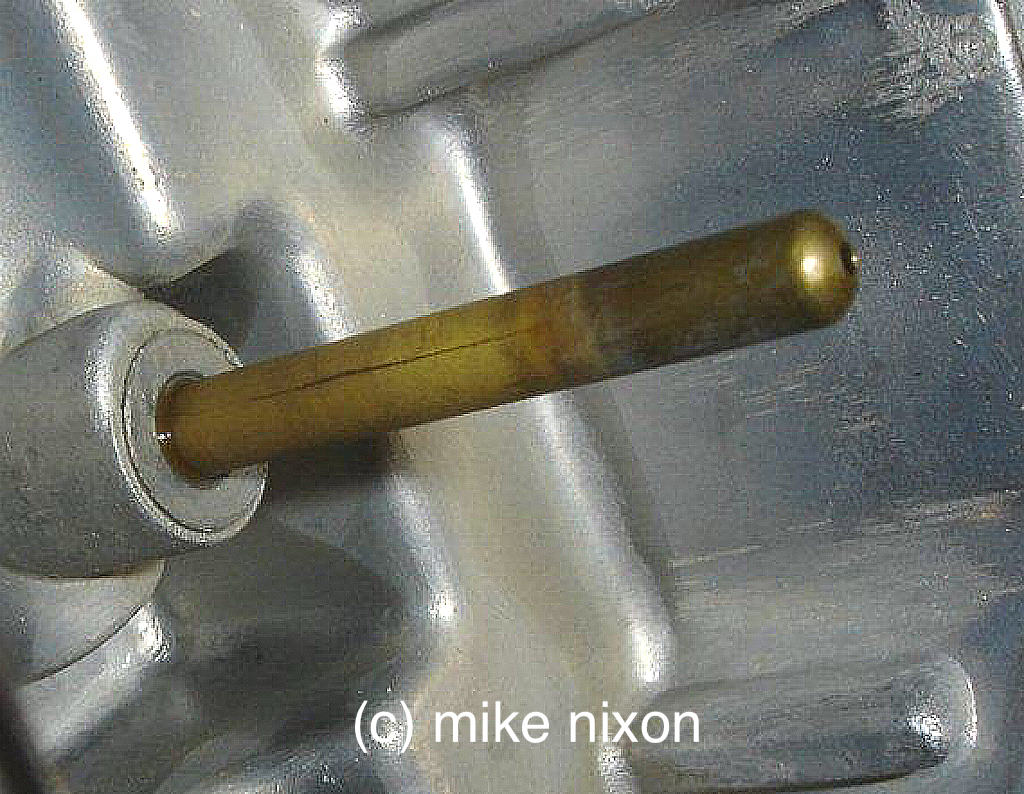
This cracked overflow standpipe is extremely common on Honda carburetors. There are two different methods for repairing this. |
If the crack is small enough it can simply be soldered closed. This works well 80 percent of the time. |
|
|
||
|
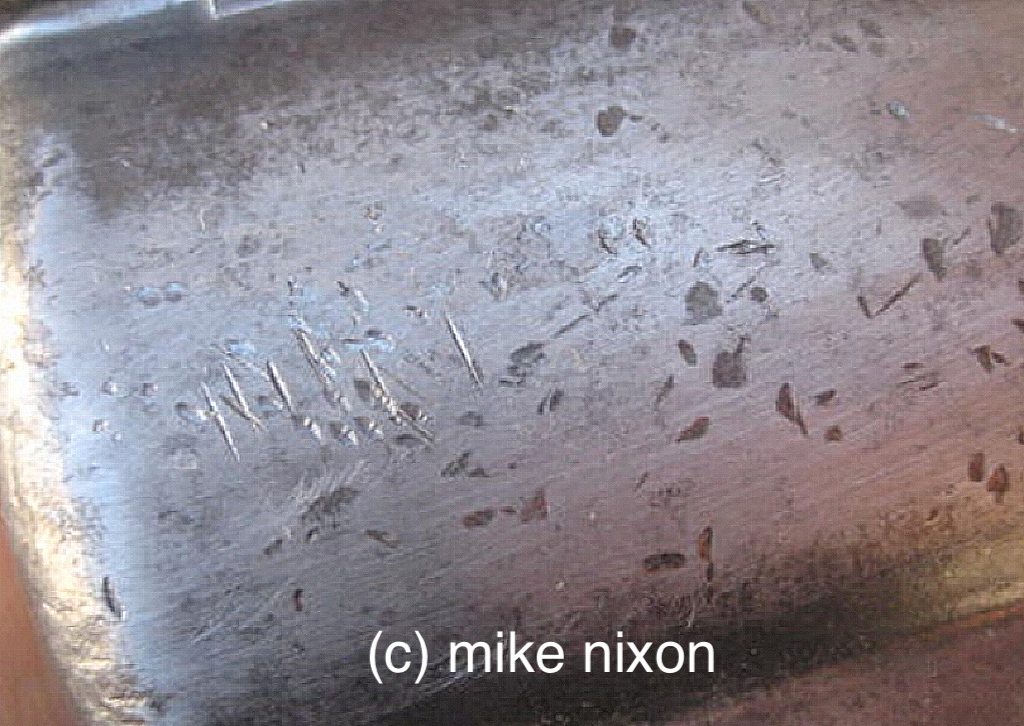
One or two judicious raps with the plastic end of a screwdriver can solve carb overflow. Repeated hammering with a metallic object...
|
This is a very common thing on CBX carburetors. It results from prying the carbs in the wrong place. Expensive part. |
|
Last updated March 2026 Email me www.motorcycleproject.com My bio © 1996-2026 Mike Nixon |